Are silicone baking mats safe? Yes. Silicone baking mats are generally safe when they are made for food contact, used within the rated temperature range, kept away from direct flame or exposed heating elements, and replaced once damaged.
The better question is not whether the word silicone sounds safe. The better question is whether the exact mat in front of you was made with the right formulation, cured correctly, rated for the intended heat, and still in good condition after repeated use.
For home bakers, that means using the mat correctly. For brands, importers, and private-label buyers, it means checking compliance documents, temperature ratings, and manufacturing consistency before placing repeat orders.
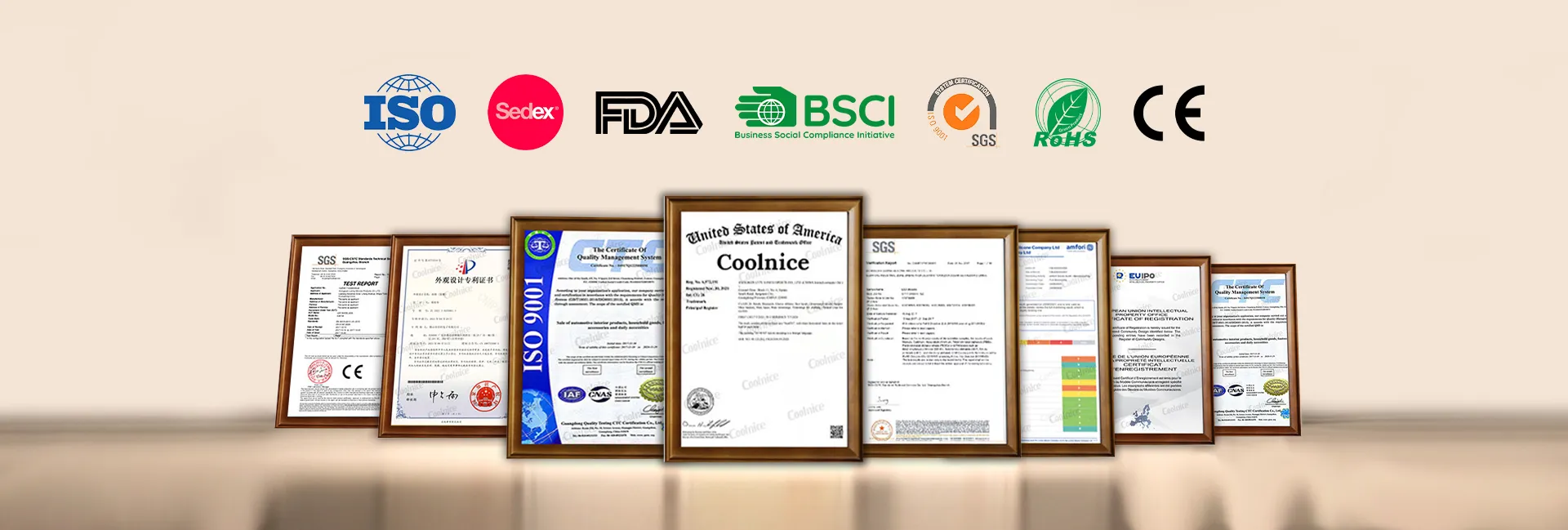
Table of Contents
- What makes a silicone baking mat safe?
- Food-contact compliance matters more than marketing claims
- Heat is where the safety conversation gets real
- Are silicone baking sheets safe too?
- When a silicone mat is no longer safe to keep using
- What about toxins, BPA, and PFAS?
- Safe use rules for home bakers
- What brands and importers should check before buying
- Bottom line
- FAQ
What makes a silicone baking mat safe?
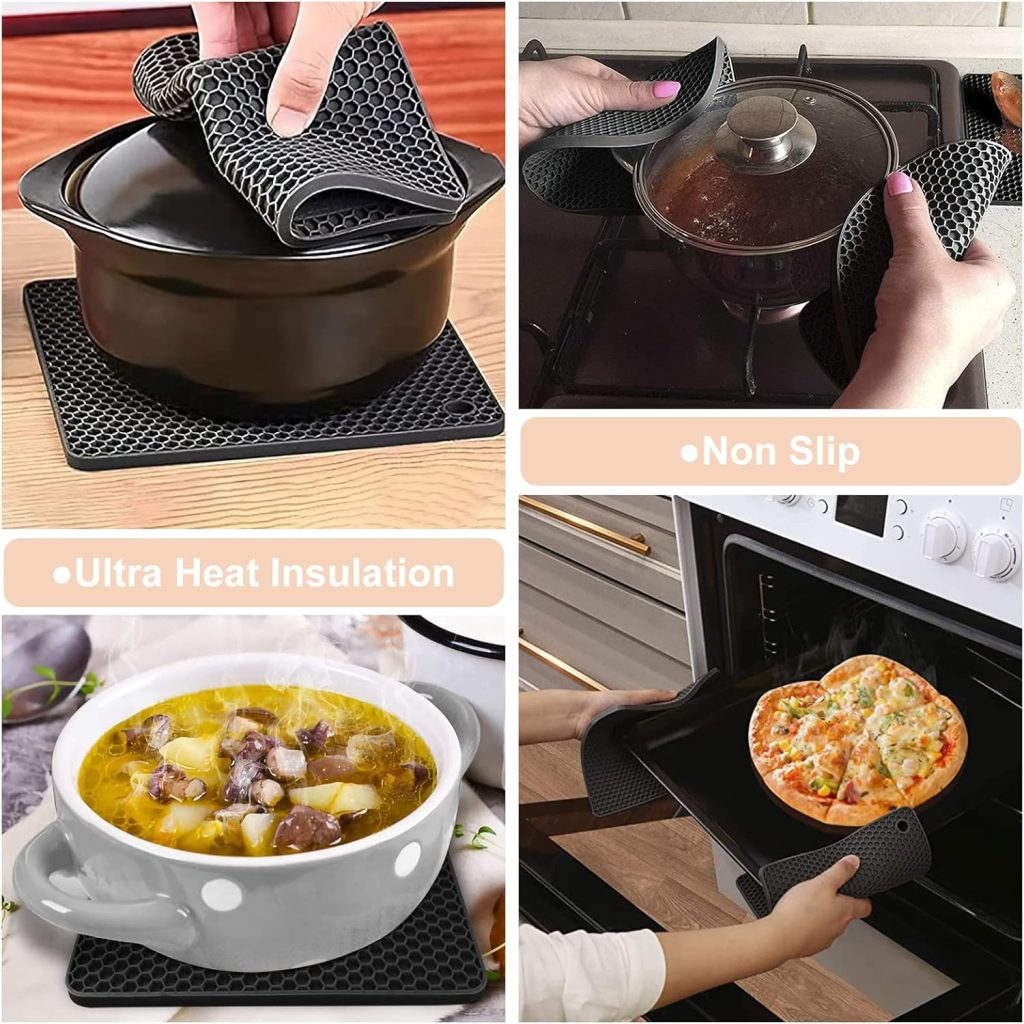
A safe silicone baking mat usually comes down to four factors:
- The silicone is intended for repeated food contact.
- The product is used within its rated temperature range.
- The surface is intact and not torn, badly warped, or separating.
- The mat is cleaned and stored in a way that does not shorten its useful life.
If those four conditions are met, a silicone baking mat is usually a practical, low-risk baking surface. If one of them breaks down, safety becomes a product-quality question rather than a material buzzword.
| Condition | Usually acceptable | Replace or stop using |
|---|---|---|
| Food contact | Supplier can explain food-contact suitability and intended use | No paperwork, vague claims, or inconsistent answers |
| Heat exposure | Used within the product’s rated oven range | Used under a broiler, on direct flame, or against exposed heating elements |
| Product condition | Flat, intact surface with no exposed inner mesh | Torn, cut, delaminating, sticky, brittle, or sharply odorous |
| Cleaning and storage | Mild soap, soft washing, stored flat or loosely rolled | Aggressive scraping, harsh chemicals, repeated misuse |
Food-contact compliance matters more than marketing claims

Food grade gets thrown around loosely in product listings, but buyers should treat it as a verification topic, not a slogan.
In the United States, food-contact substances are regulated based on intended use. In plain English, that means a baking mat should be suitable for repeated contact with food under the conditions it is actually used in.
For a silicone baking mat, the useful questions are:
- Is the silicone formulation intended for food contact?
- Has the product been tested under realistic use conditions?
- Is the curing process stable and repeatable?
- Can the supplier support its claim with documentation instead of a badge on a catalog page?
For consumer buyers, safety usually means the mat performs predictably, does not stay tacky after washing, and does not produce a strong chemical odor during normal use. For OEM and private-label buyers, safety also means the factory can prove that consistency from batch to batch.
If your product line depends on compliance-sensitive kitchenware, it also helps to understand how food-grade silicone manufacturing is controlled before the mat ever reaches packaging.
Heat is where the safety conversation gets real
Most safety doubts show up when the oven gets hot, and that is exactly where buyers should stop relying on generic claims.
Silicone baking mats are not direct-flame products. They are not meant for broilers, exposed heating elements, grills, stovetop use, or any setup where the mat touches an intense direct heat source. A mat can be safe in normal baking conditions and still be a bad idea under a broiler.
The exact temperature limit depends on the product. Some branded mats are rated around 428 F / 220 C, but that is not a universal rule. One factory’s safe range is not automatically another factory’s safe range.
- Follow the temperature rating for the exact mat you are using.
- Keep the mat away from direct flame and exposed heating elements.
- Stop using the mat if it smokes unexpectedly, smells sharply, or discolors unusually fast during normal baking.
Are silicone baking sheets safe too?
Usually yes. In most searches, silicone baking sheet and silicone baking mat are just two ways of describing the same general product type: a flexible non-stick baking liner.
The same four checks still apply:
- What is the rated temperature?
- Is it intended for food contact?
- Is the surface intact?
- Does the brand or supplier clearly explain proper use?
When a silicone mat is no longer safe to keep using
This is the part many short articles skip. A silicone baking mat does not need to look dramatic to be past its useful life. It can become a poor choice before it looks completely ruined.
Replace the mat if you notice any of these signs:
- The surface is torn or cut.
- The layers appear to separate.
- The edges fray or expose the inner mesh.
- The mat becomes unusually brittle, sticky, or badly warped.
- There is a persistent strong odor that does not fade after normal cleaning.
- It has been used outside its intended conditions, especially with direct heat.
Many baking mats use a fiberglass mesh core for structure. That is normal in the category. What matters is that the mesh remains fully enclosed and the mat is not damaged. Once the mat is cut, torn, or visibly breaking down, it should be retired.
What about toxins, BPA, and PFAS?
This is where search traffic gets emotional, and it is also where vague writing creates the most confusion.
- BPA is a specific chemical used in some other food-contact materials. It is not a synonym for all kitchen materials.
- PFAS is a broad category that has received heavy regulatory attention in certain food-contact uses, especially grease-resistant paper applications.
- Silicone baking mats should be evaluated as their own product category, based on formulation, intended use, and supplier documentation.
So instead of asking one giant fear-based question like Is silicone toxic?, ask better questions:
- What compliance standard is the supplier using?
- What is the rated temperature range?
- Is the mat fully cured and stable after repeated heating?
- Is there migration testing or third-party lab support for the exact product?
That framing is far more useful than blanket claims in either direction.
Safe use rules for home bakers
For everyday use, the safest habits are not complicated:
- Use the mat as a baking surface, not as an all-purpose heat barrier.
- Keep it on the tray it was designed to sit on.
- Do not cut on it with knives or sharp tools.
- Do not place it over direct flame or directly against an exposed element.
- Wash with mild soap and water.
- Store it flat or loosely rolled so the material is not under constant stress.
If a mat feels a little oily after washing, that can happen with some products. If it keeps a strong chemical smell after repeated washes and normal use, that is a stronger sign that something is wrong with the product quality or the mat is simply worn out.
What brands and importers should check before buying
For B2B buyers, the question Are silicone baking mats safe? really means Can I trust this supplier to make the same compliant product at scale?
Ask for more than photos and a sample quote. Ask for:
- food-contact compliance documentation for the target market
- material declaration details
- temperature rating for the exact product, not a generic catalog claim
- test reports tied to the current material system
- clear use-and-care instructions
- evidence of repeatable performance after multiple baking cycles
It also helps to ask how the supplier controls odor, curing, pigments, dimensional stability, and decoration methods. Those quiet details are what separate a mat that performs consistently from a mat that creates complaints.
If you are building a branded kitchenware line, a real custom silicone mat manufacturer should be able to answer those questions clearly instead of hiding behind the phrase food grade.
Safety is not a retail label. It starts with the material system, the curing process, the temperature rating, and the factory’s ability to repeat the same result every time.
Bottom line
Silicone baking mats are usually safe when the product is designed for food contact, used below its rated temperature limit, kept away from direct heat sources, and replaced once damaged.
The stricter buyer version of that answer is this: a silicone baking mat is only as safe as the material system, curing quality, temperature rating, and quality control behind it.
That is why the next useful question is not Is silicone safe? It is Which silicone mat, made by whom, tested how, and used under what conditions?
If you need a product partner rather than a generic trading-page claim, start with the manufacturing side first: explore custom silicone mat manufacturing and review how compliance-sensitive silicone products are handled in production.
FAQ
Are silicone baking mats safe in the oven?
Yes, usually, as long as the mat is used within its rated oven temperature and kept away from direct heat sources such as broilers, exposed elements, grills, or open flame.
Are silicone baking sheets safe?
Usually yes. The same checks apply: food-contact suitability, temperature rating, product condition, and correct use.
Is it safe to bake with silicone every day?
For normal household baking, it can be, provided the mat is made for repeated food-contact use and is still in good condition.
Can old silicone baking mats become unsafe?
Yes. Replace them if they are torn, cut, frayed, separating, badly warped, or developing a persistent strong odor.
Do all silicone baking mats have the same temperature limit?
No. Limits vary by product and supplier, so the safe choice is to follow the rating for the exact mat you are using.
What should buyers ask a supplier before ordering custom silicone baking mats?
Ask for compliance documents, temperature rating, test reports, material details, curing consistency, and use-and-care instructions for the exact product configuration.