Private Label Ice Roller: Custom Colors, Logo, Packaging and MOQ
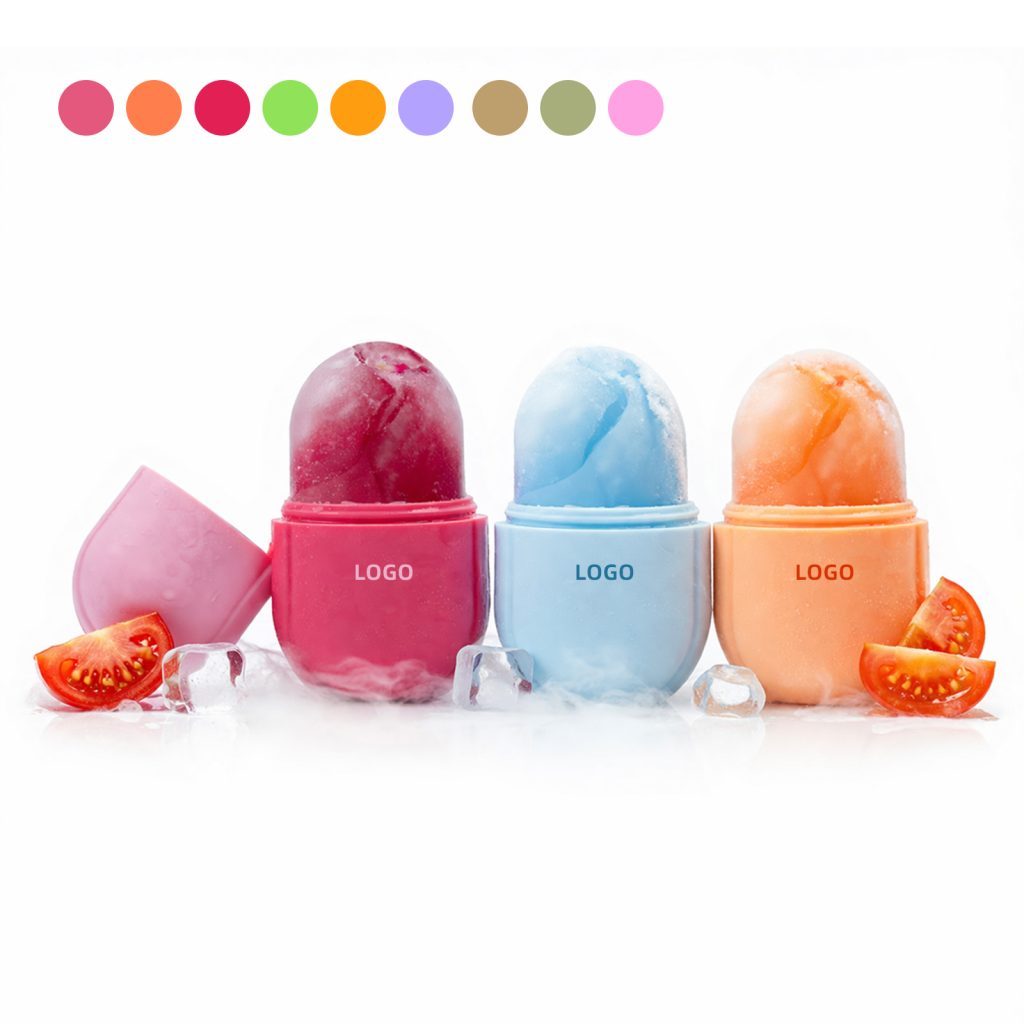
A private label ice roller is more than a cooling beauty tool with a logo. For a brand buyer, it is a product that must fit the sales channel, packaging plan, customer routine, and reorder strategy.
This guide explains how to source a private label ice roller from a B2B manufacturing view. It covers custom color, custom logo, custom packaging, MOQ planning, sample checks, quality control, and supplier questions.
If you sell skincare tools online, the product has to do several jobs at once. It must look clear in photos. It must feel comfortable in use. It must be easy to pack. It must also avoid medical claims that can create listing or compliance risk.
What Is a Private Label Ice Roller?
A private label ice roller is an ice roller made by a supplier and sold under the buyer’s brand. The buyer may choose the color, logo, box, insert card, barcode label, and sometimes the product structure.
Some projects only need ready stock with simple branding. Others need a custom ice roller with special colors, packaging, or mold changes. The right path depends on budget, launch timing, and order quantity.
Ready stock private label
Ready stock is useful for first tests. A buyer can select an available product, add simple packaging or labeling, and launch faster. This is often a good path for Amazon sellers or small brands testing a new product line.
The main benefit is speed. The main limit is that the product may look similar to other listings. Packaging and brand story become more important in this case.
Customized private label
A customized private label ice roller gives the buyer more control. The project can include custom color, custom logo, custom packaging, and set design. Some projects may also adjust the handle, roller head, or material mix.
Customization can help a brand look more consistent. It can also support a wider cold beauty tools line with matching facial ice molds, scalp tools, and gift sets.
ODM or new mold development
ODM work goes deeper than logo and box changes. It may include a new shape, special structure, or different product function. This can create stronger differentiation, but it usually needs more time, higher MOQ, and clearer drawings.
Before starting ODM work, prepare product references, target size, material needs, price range, and target market. If product parameters are not final, they can be confirmed according to actual product design.
Custom Color, Logo, and Packaging Options
Most private label buyers start with visual changes. These changes may look simple, but they affect cost, lead time, and final product quality.
A good supplier should explain what can be changed on a ready-stock item and what requires a new order or new mold.
Custom color
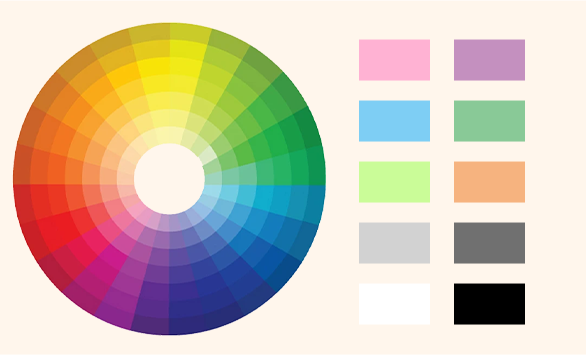
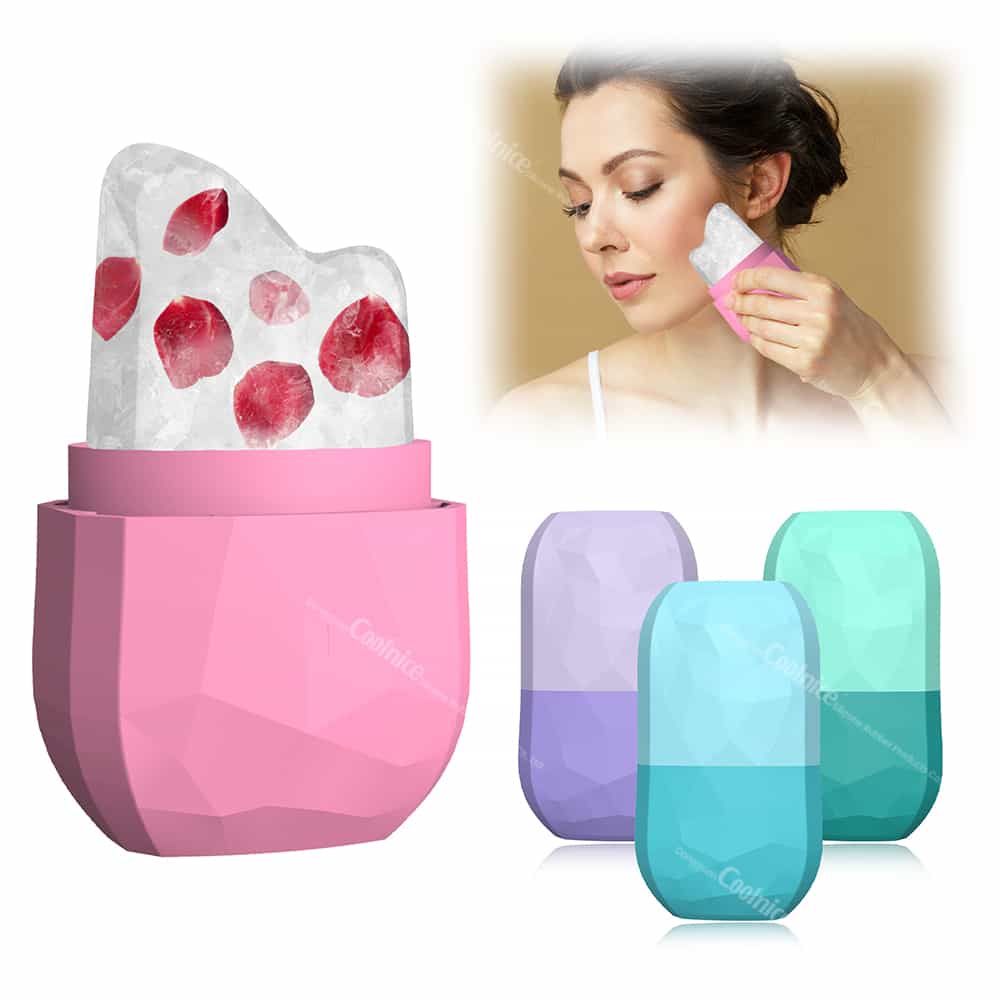
Custom color is one of the most common requests for beauty brands. Ice rollers are often sold in soft tones, clean neutrals, or seasonal colors. Popular directions include pink, white, blue, lavender, mint, and nude tones.
Do not approve a color only from a screen. Use a Pantone number, color card, or physical sample. For silicone or plastic parts, the final color can look different after production.
Ask the supplier whether custom color has a minimum order quantity. Some colors can be made at a lower MOQ. Others may need a larger batch because of material preparation.
Custom logo
Custom logo placement depends on the product shape and material. A logo can be printed on the handle, added to packaging, placed on an insert card, or used on a sticker label.
Common logo methods may include screen printing, pad printing, label printing, or other methods based on the product surface. The supplier should confirm what works for the actual product.
Always check a logo sample before bulk production. A logo that looks clear in a digital file may look too small, too light, or poorly placed on the final item.
Custom packaging
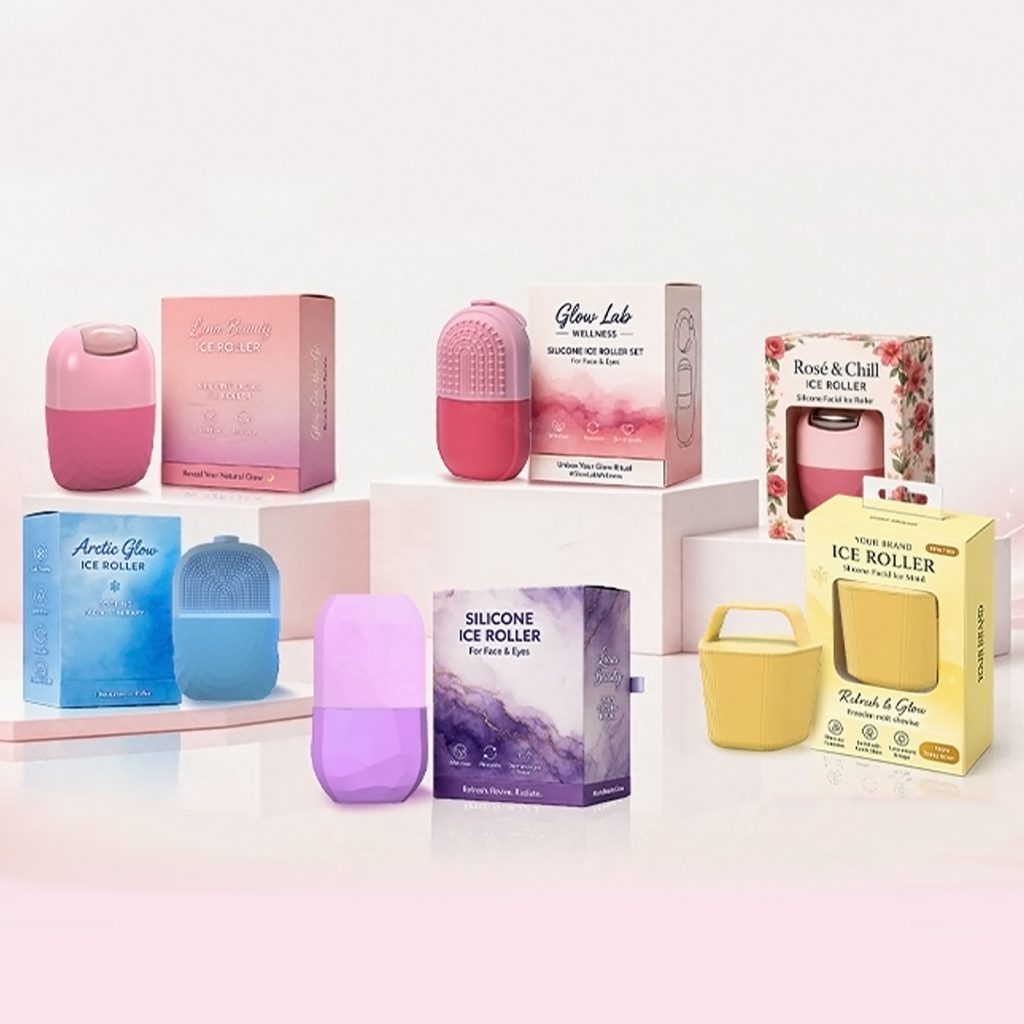
Custom packaging is often the difference between a basic product and a brand-ready product. It helps the buyer control retail value, shipping protection, and customer experience.
Private label ice roller packaging can include:
- Color box
- Kraft box
- Window box
- Mailer box
- Insert card
- Care instruction card
- Barcode label
- Carton mark
If you sell on Amazon, packaging should also support barcode placement and shipping needs. An Amazon beauty product supplier should understand these details before production starts.
MOQ, Samples, and Bulk Order Planning
MOQ is one of the first questions buyers ask. But the answer is not always one number. MOQ can change based on color, logo, packaging, and whether the product is ready stock or custom made.
For low MOQ beauty tools, the buyer should separate the product MOQ from the packaging MOQ. Sometimes the product is available in small quantities, but custom boxes require a higher print quantity.
Sample stage
The sample stage should confirm more than appearance. A buyer should test how the roller feels, how it cools, how it moves, and how it fits the package.
Sample checks should include:
- Product color
- Surface finish
- Roller movement
- Handle comfort
- Odor check
- Logo position
- Box fit
- Instruction text
If the product will be sold as facial ice roller wholesale, sample checks are even more important. Wholesale buyers may reorder based on the first batch, so early details matter.
First order planning
A first order should match the buyer’s risk level. A new seller may start with ready stock and simple packaging. A brand with a clear launch plan may choose custom color and full retail packaging.
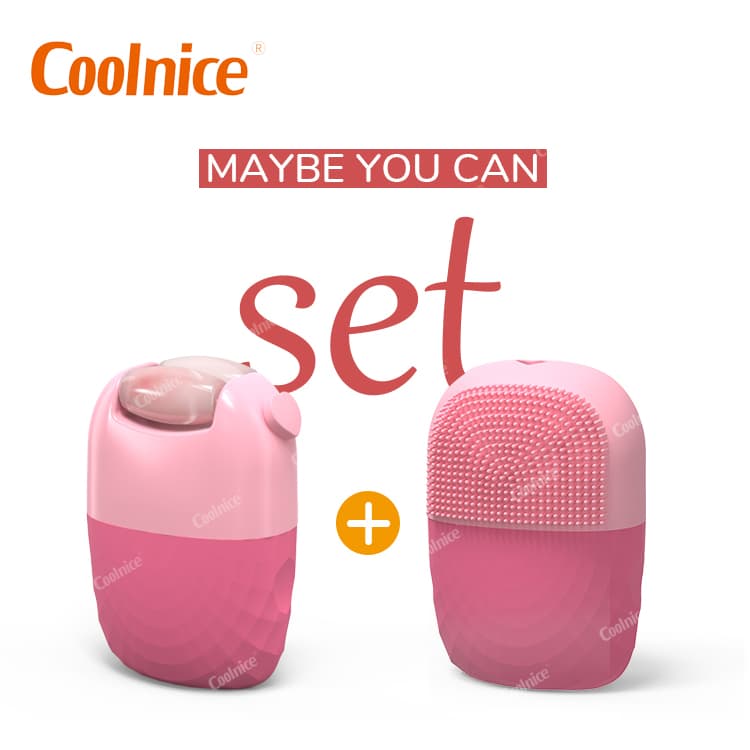
A practical first order can include one hero product and one related item. For example, a private label ice roller can be paired with a facial ice mold. This creates a small cold beauty set without too much inventory risk.
Bulk order planning
Bulk orders should be based on confirmed samples. Before production, confirm color, logo, packaging, carton details, lead time, and inspection method.
Ask for production photos if needed. For larger orders, buyers may also arrange third-party inspection. Do not wait until shipment to check important details.
Quality Control and Compliance Checks
A private label ice roller is a cosmetic beauty tool. It should be positioned with care. It should not be sold as a medical device unless the buyer has the correct product design, documents, and regulatory path.
Most cold beauty tools should use cosmetic wording. They can describe cooling comfort and puffy-looking skin. They should not claim to treat swelling, inflammation, pain, rosacea, or medical conditions.
Material and structure checks
Ask what materials are used in the handle, roller head, and any silicone parts. If the product includes gel or liquid inside, ask about structure and leak control.
For skin-contact products, buyers should ask what test reports are available. If a market needs specific documents, confirm them before order approval. Do not invent certification claims on the product page.
Function checks
The roller should move smoothly. The handle should feel stable. The surface should not have sharp edges. The product should not leak after chilling or normal handling.
Use the product like a customer. Chill it, roll it, wipe it, and store it again. This simple test can reveal problems that a product photo will not show.
Packaging checks
Packaging should protect the product and explain it clearly. Check box strength, product fit, insert text, barcode placement, and carton packing.
If your sales channel has rules, review them before printing packaging. This is especially important for marketplace sellers. Claims, warnings, and labeling should match your target market.
How to Choose an Ice Roller Manufacturer
The right ice roller manufacturer should help you source the product and prepare it for your market. A low quote is not enough if the supplier cannot support packaging, samples, or repeat orders.
For cold beauty tools OEM ODM projects, look for a supplier that understands both product development and e-commerce needs.
Ask about product range
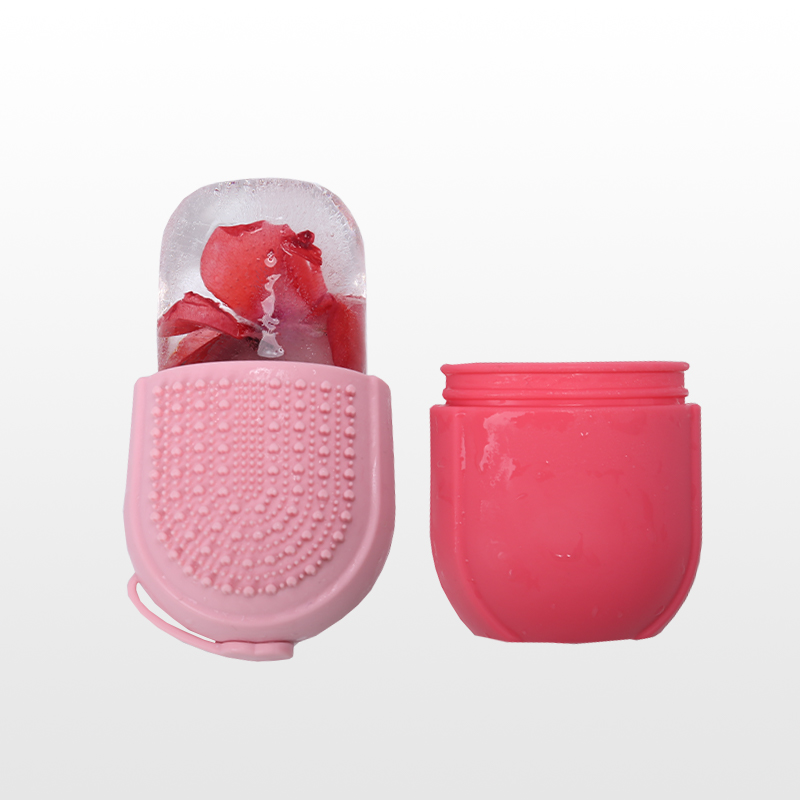
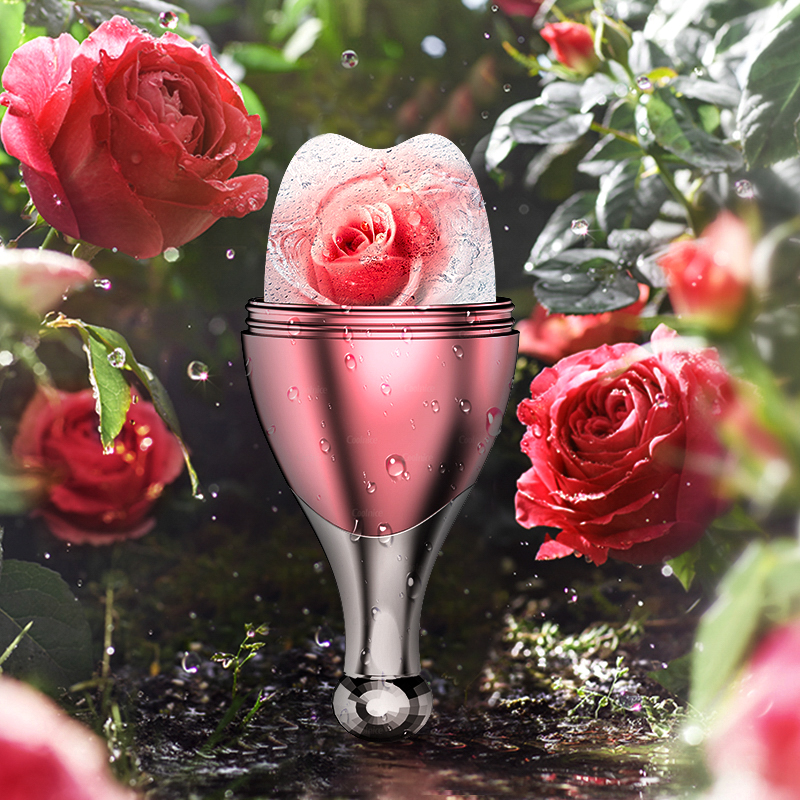
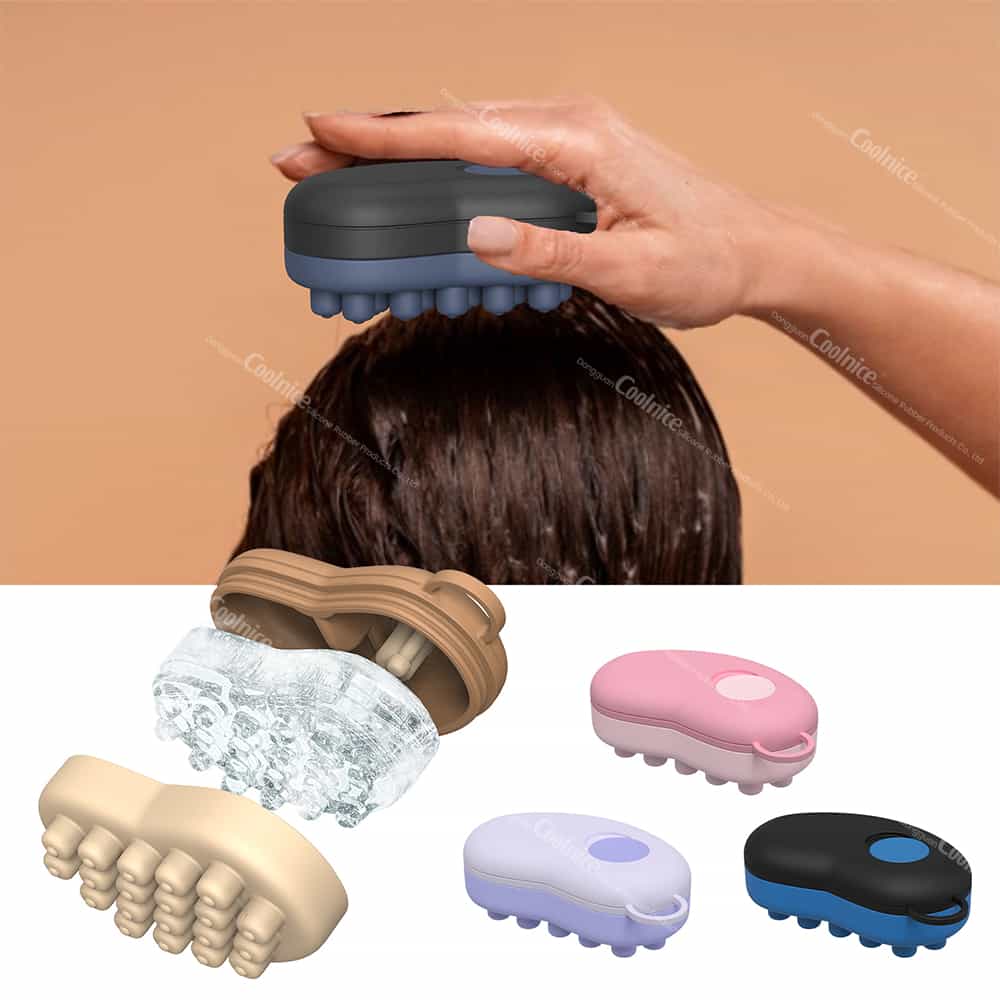
A supplier with more than one cold beauty tool can help you build a stronger line. Ask if they also offer facial ice molds, ice globes, scalp cooling tools, ice facial cleansing brushes, and cold massage tools.
This matters because many brands do not stop at one item. A private label ice roller can become the first product in a wider silicone ice therapy collection.
Ask about customization limits
Before asking for a price, ask what can be customized. Confirm color, logo, packaging, insert cards, barcode labels, cartons, and product sets.
Also ask what requires a higher MOQ. Some buyers only discover this after design work starts. Clear answers save time.
Ask about production and QC process
A supplier should explain the order process from sample to shipment. They should also describe how they check color, logo, function, packaging, and quantity.
Useful questions include:
- What is the sample lead time?
- What is the MOQ for custom color?
- What is the MOQ for custom packaging?
- Can you support logo samples?
- What quality checks are done before shipment?
- What product photos or videos can you provide?
- What test reports are available?
The answers will show whether the supplier is only selling a product or helping you build a brand-ready program.
Final Buying Checklist for a Private Label Ice Roller
Before you confirm a private label ice roller order, review the full launch path. The product should match your brand, your sales channel, and your reorder plan.
Use this checklist before payment or bulk production:
- Is the private label ice roller easy to explain to customers?
- Does the sample feel comfortable after chilling?
- Are custom color and custom logo details confirmed on a physical sample?
- Does the custom packaging protect the product during shipping?
- Is the MOQ clear for product, logo, and packaging?
- Are product claims written as cosmetic cooling language?
- Can the supplier support repeat orders and related cold beauty tools?
A private label ice roller works best when it is part of a clear product plan. It can be the first item in a cold beauty set, or it can sit beside facial ice molds, ice globes, and scalp cooling tools.
If your goal is long-term brand growth, do not choose a private label ice roller only by unit price. Choose a product and supplier that can support samples, packaging, quality checks, and future product line expansion.
FAQ
What is the MOQ for a private label ice roller?
The MOQ depends on stock, color, logo method, and packaging. Ready-stock products may support smaller orders. Custom color and custom packaging usually require a higher MOQ.
Can I order a custom ice roller with my logo?
Yes. A custom ice roller can often include custom logo placement on the product, packaging, or insert card. The best method depends on material, shape, and order quantity.
What should I check before buying facial ice roller wholesale?
Check product movement, handle comfort, material, odor, surface finish, packaging, barcode needs, and supplier quality control. Always approve samples before bulk orders.
Can a private label ice roller be sold as a medical cooling tool?
No, not unless it is designed and documented for that purpose. Most ice rollers should be positioned as cosmetic cooling tools, not as medical treatment products.
How do I choose a reliable ice roller manufacturer?
Choose an ice roller manufacturer that can explain materials, customization, packaging, sample checks, QC steps, and repeat order support. A wider cold beauty tools range is also helpful.
Planning a private label ice roller for your beauty brand, Amazon store, or wholesale line? Send your target color, custom logo, custom packaging needs, quantity, and sales channel. We can help you compare ready-stock options, low MOQ beauty tools, and OEM/ODM cold beauty tool sets.