Why Are Silicone Brushes Better Than Traditional Bristle Brushes?
Silicone brushes are now widely used in skincare, home cleaning, kitchen tools, and baby care. Whether as a silicone cleaning brush or an exfoliating brush, silicone designs are increasingly preferred over traditional bristle brushes.
This article explains why silicone performs better in hygiene, durability, safety, and long-term usability. It also provides useful selection guidance for brands evaluating silicone vs. bristle products for OEM or private-label development.
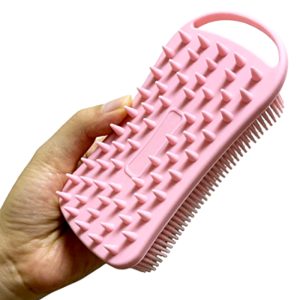
1) Hygiene Advantage: Silicone Is Easier to Keep Clean
Traditional bristle brushes have many narrow gaps between fibers. These spaces can trap dirt, oils, dead skin, soap, and cosmetic residue, creating a favorable environment for bacterial buildup.
Silicone is non-porous, so it does not absorb water easily or hold residue deeply in the material. That makes routine cleaning faster and more reliable.
- Rinses off quickly
- Dries faster, lowering mold risk
- Less buildup over repeated use
- Better suited to sensitive or acne-prone skin
2) Better Durability: Silicone Keeps Its Structure Longer
Bristles often bend, split, or shed after repeated use, which reduces cleaning performance. Silicone structures are more stable over time.
- Resistant to bending and tearing
- Handles hot water and frequent washing
- Flexible, while maintaining shape
- Suitable for dishwasher cleaning and boiling-water sanitation
For high-frequency use in homes, salons, and commercial environments, silicone brushes maintain performance more consistently.
3) Improved Safety: Gentler Contact for More Users
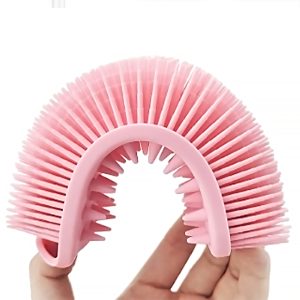
Rigid bristles can feel harsh on delicate skin zones. Silicone tips are typically softer and rounder, helping reduce irritation during use.
- Rounded contact points for comfort
- More even pressure distribution
- Effective cleansing/exfoliation with less abrasion
- Suitable for sensitive skin, children, and some pet-care routines
Food-Grade Safety in Kitchen Applications
When designed as food-contact tools, compliant silicone options can offer:
- BPA-free material options
- Low odor and non-toxic properties
- Strong heat and chemical resistance
- Compatibility with FDA/LFGB requirements when certified
4) Lower Maintenance: Faster Daily Cleaning
Bristle brushes often need deeper soaking and more effort to clean thoroughly. Silicone brushes usually require only warm water and mild detergent.
Because silicone dries quickly, it also helps reduce moisture retention and routine upkeep burden.
5) Better Resistance to Heat, Chemicals, and Harsh Cleaning Conditions
In demanding cleaning environments, silicone generally remains stable longer than conventional bristle materials.
- High heat tolerance
- Works with boiling-water sanitation and dishwashers
- Resistant to many cleaning agents
- Maintains flexibility over time
6) Higher Design Flexibility: Better User Experience
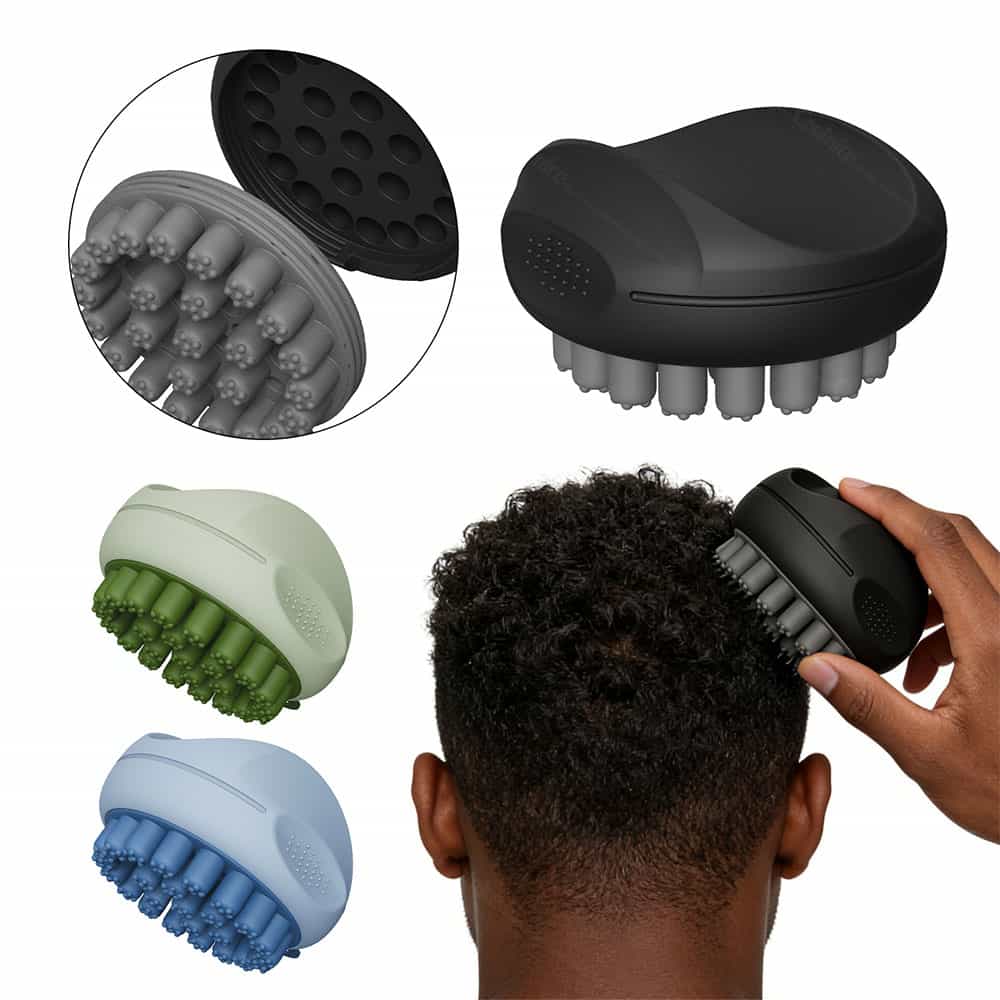
Silicone can be molded precisely, enabling product teams to optimize grip, texture, and functional zones for different applications.
- Ergonomic handles
- Adjustable brush-head density and height
- Different texture patterns for different tasks
- Anti-slip grip sections
- Custom hardness/softness levels
7) Environmental and Cost Efficiency: Better Long-Term Value
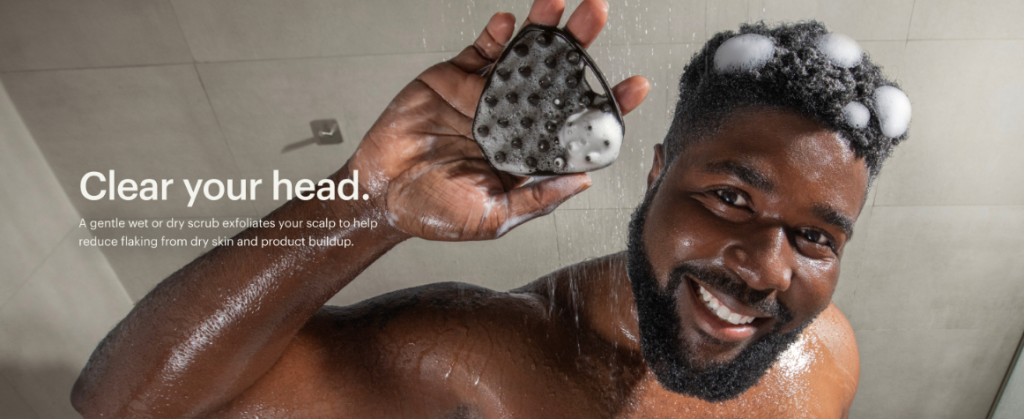
Because silicone brushes generally last longer, replacement frequency can be lower, reducing material waste and total ownership cost over time.
For private-label brands, that can support:
- Lower replacement-related complaints
- Higher customer satisfaction
- Stronger quality perception
- Lower return risk
8) Silicone vs. Bristle Brush: Quick Comparison
| Feature | Silicone Brush | Traditional Bristle Brush |
|---|---|---|
| Hygiene | Excellent | Prone to trapped residue and buildup |
| Durability | Long-lasting | Wears and deforms faster |
| Skin Comfort | Soft and gentle | May irritate or scratch |
| Cleaning Effort | Easy to rinse | Harder to deep-clean |
| Heat Resistance | High | Relatively lower |
| Typical Lifespan | Approx. 6–24 months | Approx. 1–3 months |
| Sustainability | Better long-term profile | More frequent replacement |
9) When Should You Choose a Silicone Brush?
A silicone brush is usually the better choice when you need:
- A more hygienic cleansing or exfoliation tool
- Reliable durability under frequent washing
- Gentler contact for face, scalp, or body care
- A food-contact compatible option for kitchen use
- Low-maintenance, fast-drying daily performance
- Stable repeat-use performance in professional settings
10) Why OEM and Private-Label Brands Prefer Silicone
For brand owners and distributors, silicone offers strong product-development advantages:
- Customizable shapes, textures, and colors
- Pantone color matching support
- Engraved or printed logo options
- Clear differentiation from low-grade bristle products
- Higher lifecycle value and improved brand perception
Coolnice provides one-stop OEM/ODM support from concept and mold development to mass production for silicone cleaning brushes, exfoliating brushes, and multi-purpose silicone brush lines.
Conclusion
Compared with traditional bristle brushes, silicone brushes provide stronger overall performance in hygiene, durability, safety, and maintenance efficiency. Across personal care, home cleaning, and kitchen use, silicone is often the more reliable long-term material choice.
If your goal is to build a durable, customizable, and user-friendly product line, silicone brushes remain a high-value direction for both product teams and brands.