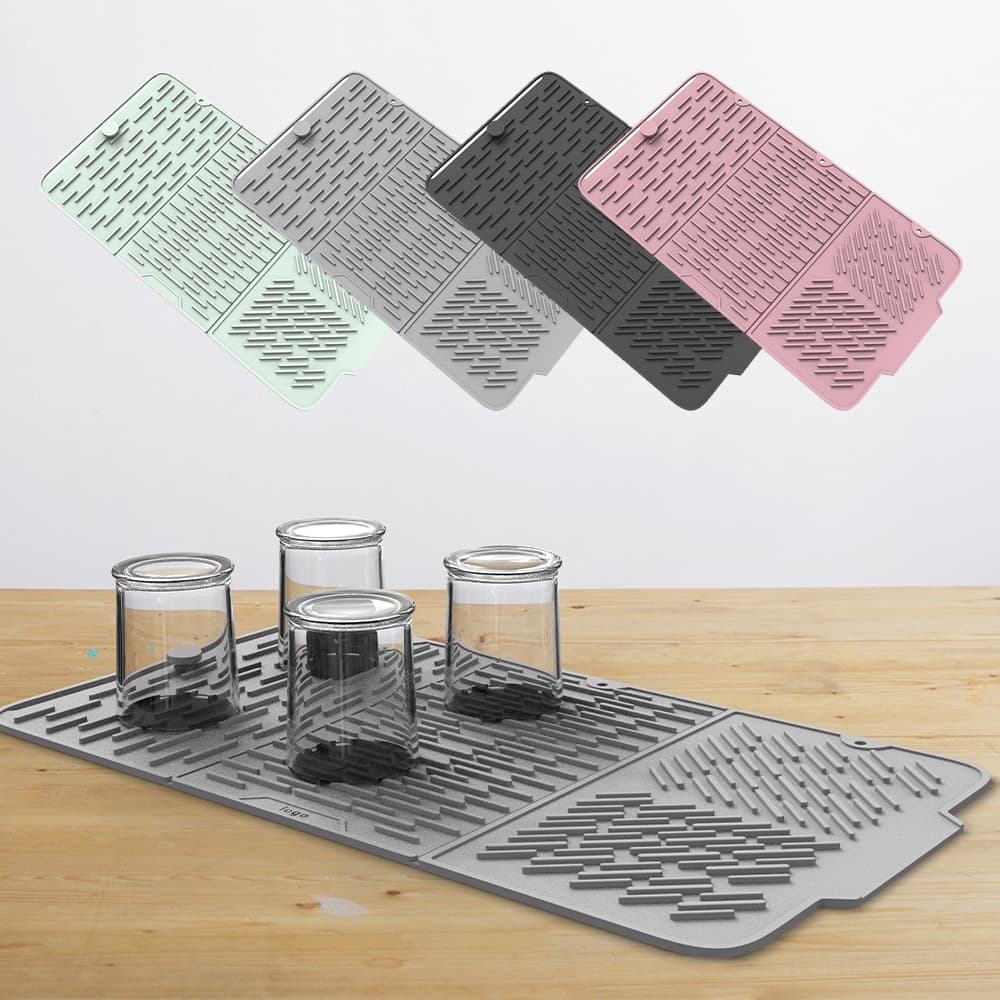
How to clean silicone baking mat surfaces without grease buildup or soap residue comes down to a few simple rules: wash with warm water, mild dish soap, and a soft non-abrasive sponge; rinse thoroughly; let the mat air dry; and avoid harsh scrubbing, folding, or high-heat misuse that can shorten its life.
That sounds simple, but most complaints about silicone baking mats are not really about cleaning. They are about what happens after cleaning: a greasy film that will not go away, a soap smell that lingers, or a mat that starts feeling sticky after months of use.
This guide explains how to clean a silicone baking mat the right way, when a deeper clean makes sense, what to avoid, and when a mat is no longer worth saving.
Table of Contents
- Quick answer
- Why silicone mats start feeling greasy
- Routine cleaning steps
- How to deep clean a silicone baking mat
- How to remove soap residue and odor
- What not to use
- Can you put silicone baking mats in the dishwasher?
- When to replace the mat
- What brands and buyers should tell customers
- FAQ
Quick answer
For normal cleaning, wash the mat with warm water, mild dish soap, and a soft sponge. Rinse well, shake off excess water, and let it air dry fully before storing. Store it flat or loosely rolled, not folded.
That routine is consistent with official Silpat / Maison Demarle care guidance, which recommends dish soap, water, a soft non-abrasive sponge, thorough rinsing, air drying, and flat or rolled storage.
Why silicone mats start feeling greasy
Silicone baking mats are non-stick, but they are not self-cleaning. Over time, oils from cookies, pastry, roasted foods, butter-heavy doughs, or cooking sprays can leave behind a thin film. That film attracts more residue and can make the mat feel greasy even after a quick wash.
The main causes are:
- high-fat recipes baked repeatedly without thorough washing
- too little rinsing after soap use
- using oily sprays that leave a stubborn layer
- scrubbing that smears residue instead of lifting it away
- storing the mat before it is fully dry
In other words, most silicone mat cleaning problems are not mysterious. They usually come from oil residue, incomplete rinsing, or care habits that slowly degrade the surface.
Routine cleaning steps
If the mat is only lightly soiled, use this routine:
- Let the mat cool completely before washing.
- Place it in the sink or on a flat surface.
- Use warm water and a small amount of mild dish soap.
- Wipe both sides with a soft, non-abrasive sponge.
- Rinse thoroughly until the surface no longer feels slippery from soap.
- Shake off excess water and let it air dry completely.
- Store flat or loosely rolled.
This should be your default method. It is simple, low-risk, and gentle enough for repeated use.
How to deep clean a silicone baking mat
If your mat still feels oily after a normal wash, step up to a deeper clean instead of scrubbing harder.
Use this method:
- Wash first with warm water and mild dish soap.
- Rinse thoroughly.
- Soak the mat for a short time in warm soapy water.
- Wipe again with a soft sponge, focusing on greasy areas.
- Rinse very well to remove both loosened oil and detergent.
- Air dry fully before checking the surface again.
If the surface still feels greasy, repeat the gentle wash rather than jumping straight to abrasive cleaners. Most mats respond better to repeated gentle cleaning than to aggressive treatment.
How to remove soap residue and odor
Sometimes the mat is not actually dirty anymore. It just still carries soap residue or a smell from the last wash. That is a rinsing problem more than a grease problem.
Try this:
- Rinse longer than you think you need to.
- Use clean warm water across both sides of the mat.
- Wipe once more with a damp soft sponge and no additional soap.
- Let the mat air dry completely before storing it in a drawer or cabinet.
If the mat still has a strong odor after repeated gentle washing and drying, it may be a sign of absorbed residue, aging, or product-quality limitations. At that point, replacement may be smarter than more cleaning experiments.
What not to use
A silicone baking mat lasts longer when cleaning stays gentle. Avoid these common mistakes:
- abrasive scrubbers that scratch or wear down the surface
- sharp tools that can cut the mat or expose the inner mesh
- harsh chemical cleaners
- folding the mat for storage
- putting heavy objects on top of a rolled mat
- using the mat after visible cracks, tears, or delamination appear
Official Silpat warranty guidance also excludes damage from knives, overheating, poor storage, flame or grill exposure, and unsuitable cleaning products. That is a useful benchmark because it shows what manufacturers consider misuse rather than normal wear.
Can you put silicone baking mats in the dishwasher?
Some people do, but it is not the best default habit.
Maison Demarle’s published care advice says it is best to avoid the dishwasher and instead wash mats with water, dish soap, and a soft non-abrasive sponge. That is the safer recommendation if your goal is longer product life and fewer residue problems.
If your brand or supplier explicitly says dishwasher-safe, follow that product-specific guidance. If not, hand washing is the lower-risk choice.
When to replace the mat
Cleaning cannot fix everything. Replace the mat if you see any of these signs:
- persistent strong odor after normal washing
- sticky or powdery surface changes
- cracks, tears, or edge breakdown
- visible layer separation or exposed inner mesh
- warping that affects baking performance
If you are also evaluating long-term safety, it helps to read this companion guide on whether silicone baking mats are safe, because cleaning problems and end-of-life problems often overlap.
What brands and buyers should tell customers
If you sell or source private-label baking mats, cleaning instructions are not a minor afterthought. They are part of the product experience and part of reducing complaint rates.
At minimum, your insert card or product page should tell users to:
- wash with mild dish soap and a soft sponge
- rinse thoroughly
- air dry completely
- store flat or loosely rolled
- avoid knives, abrasive scrubbers, flame, grills, and overheating
That kind of care guidance helps protect both the product and the review profile. If you are building a kitchenware line, a reliable custom silicone mat manufacturer should be able to help standardize those instructions across product packaging, insert cards, and listings.
A good silicone mat does not just need good material. It also needs good care instructions, because poor cleaning habits create avoidable complaints that look like product defects.
FAQ
How do you clean a silicone baking mat after cookies or greasy food?
Wash it with warm water, mild dish soap, and a soft sponge. Rinse thoroughly and air dry fully before storing. If it still feels oily, repeat a gentle wash or do a short warm soak instead of scrubbing harder.
Why does my silicone baking mat still feel greasy after washing?
Usually because oil film remains on the surface or soap was not rinsed away fully. Heavy-fat recipes, cooking spray, and rushed rinsing are common causes.
Can I use the dishwasher to clean a silicone baking mat?
Hand washing is the safer default. Official Silpat / Maison Demarle care guidance says it is best to avoid the dishwasher and use dish soap, water, and a soft non-abrasive sponge instead.
What should I avoid when cleaning a silicone baking mat?
Avoid abrasive scrubbers, sharp tools, harsh chemicals, folding for storage, and putting heavy objects on top of a rolled mat. Those habits shorten product life.
When should I stop using a silicone baking mat?
Replace it if it develops strong persistent odor, surface stickiness, cracks, tears, edge breakdown, delamination, or exposed mesh.