Custom Silicone Bag Manufacturer Guide for Sustainable Brands
As sustainability moves from brand storytelling into measurable procurement criteria, accessory categories are being re-evaluated at the material and supply-chain level. For sourcing teams, the real question is no longer “Is this product positioned as eco-friendly?” but “Can this product deliver long-term use value, stable quality, and controllable replenishment economics?”
This guide is written for buyers, product developers, and operations teams working with a custom silicone bag manufacturer. It focuses on B2B OEM decision points: material suitability, engineering constraints, production process reliability, MOQ planning, risk controls, and phased private-label rollout. The goal is practical execution, not marketing language.
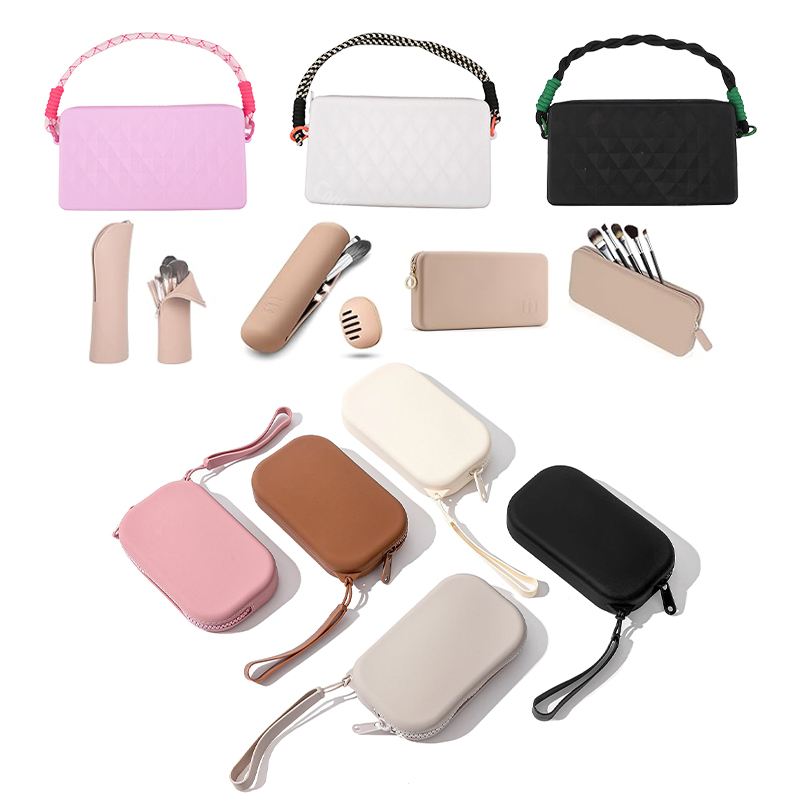
Why Procurement Teams Are Switching to Custom Silicone Bags
In many accessory programs, replacement frequency is a hidden cost driver. If a pouch fails early due to deformation, odor, seam issues, or surface wear, brands absorb cost through returns, discounts, and customer support friction. This is why custom silicone bags are increasingly selected in categories where repeat handling, moisture exposure, and portability are critical.
- Long-lifecycle durability under frequent opening, closing, and handling
- Washable and reusable structure suitable for daily-use scenarios
- Consistent performance under moisture and temperature variation
- Design flexibility for shape, color, texture, and logo integration
- Better premium perception in categories requiring cleanable surfaces
From a sustainability standpoint, durability and reuse behavior often matter more than broad claims. If a product is used repeatedly over a long period, replacement pressure drops and total lifecycle consumption can improve. This is where custom silicone bags align well with practical sustainability goals.
Silicone vs. Other Bag Materials: B2B Comparison
Material choice should be based on use-case fit, failure mode, and expected lifecycle performance. Procurement teams typically benchmark silicone against PU, PVC, and fabric alternatives before finalizing RFQ specifications.
| Material | Durability | Reusability | Weather Resistance | Environmental Perception |
OEM Flexibility |
|---|---|---|---|---|---|
| Silicone | High | Very High | Excellent | Premium reusable profile |
High |
| PU | Medium | Medium | Moderate | Mixed perception | High |
| PVC | Medium | Low | Good | Often negative | Medium |
| Fabric | Medium | Medium | Low | Positive but lifespan-dependent |
Medium |
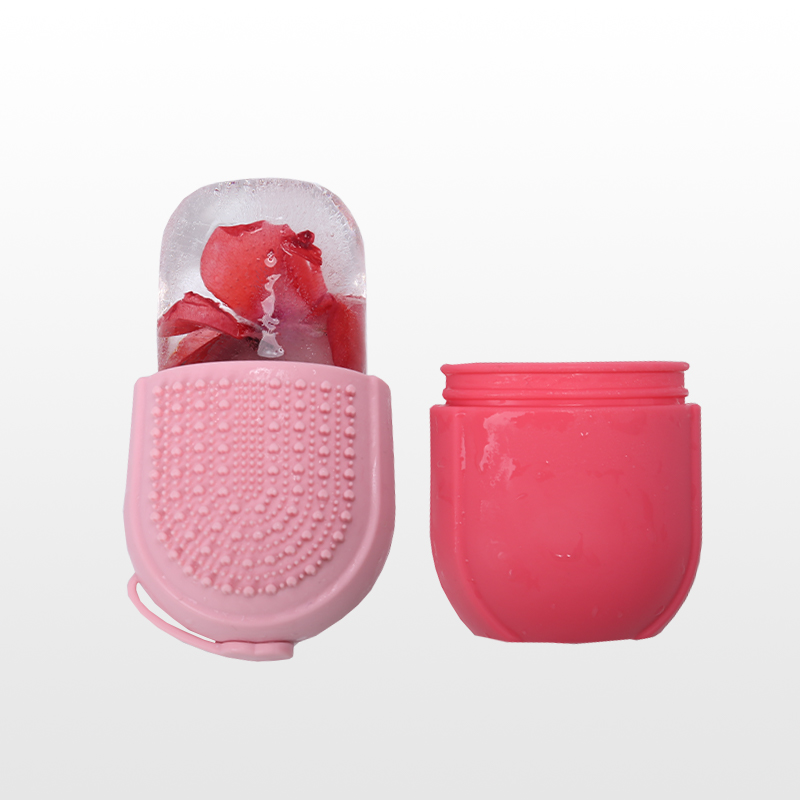
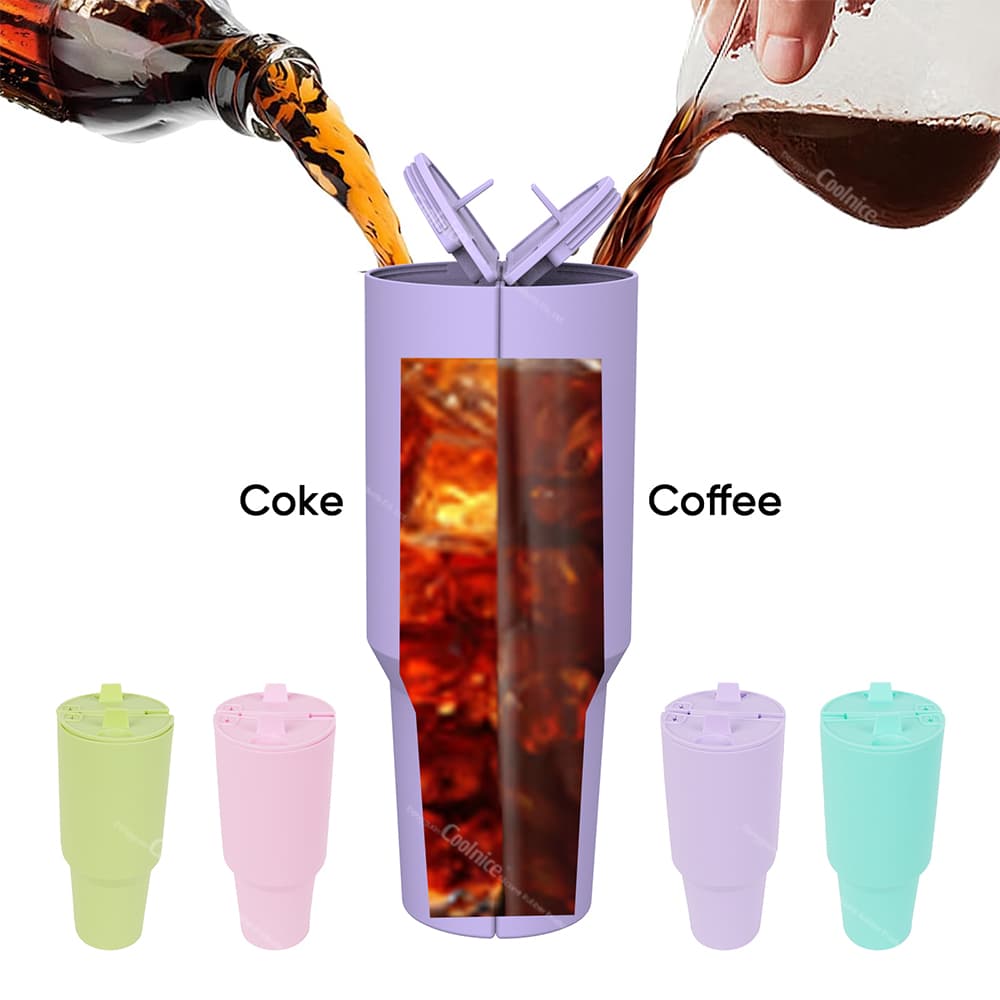
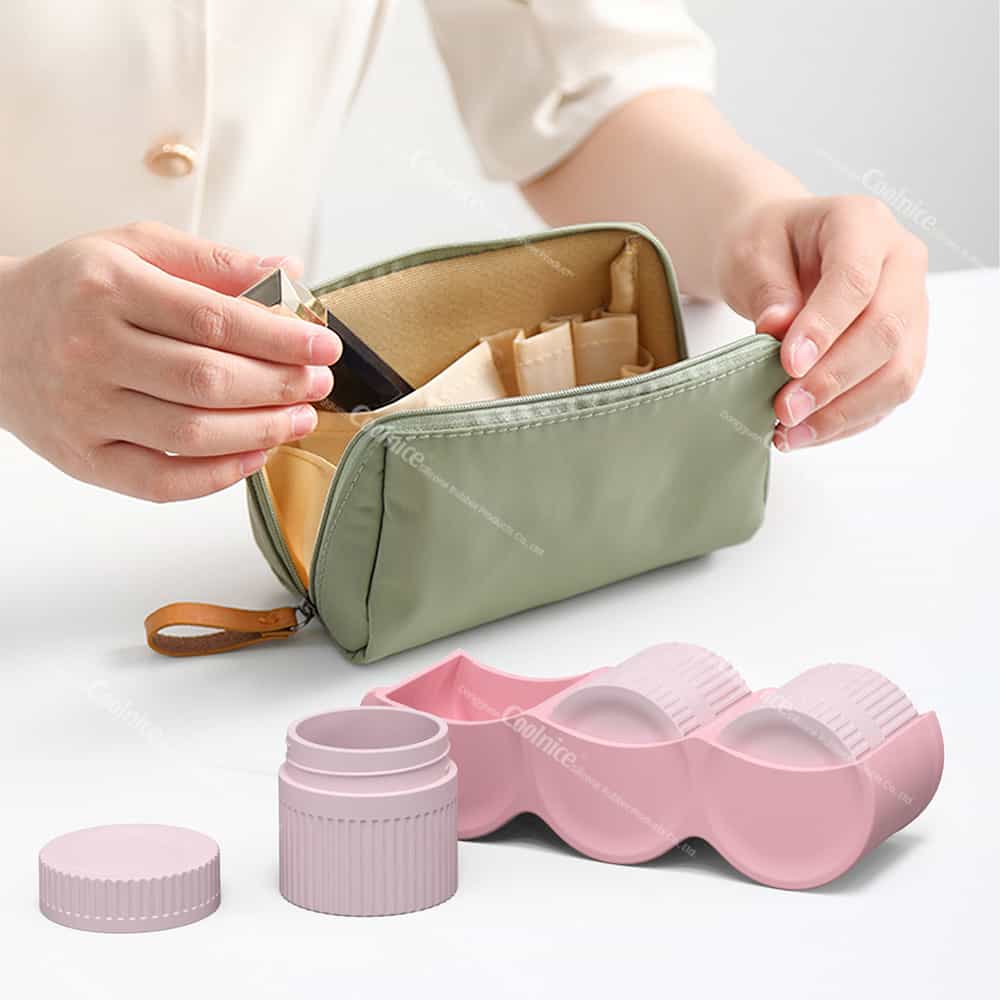
In practical B2B projects, custom silicone bags are often favored for cosmetic storage, travel kits, and promotional reusable accessories where washability, shape retention, and color consistency are key buying factors.
Manufacturing Capability Snapshot
Before discussing unit pricing, evaluate whether the supplier can consistently execute your specification. A concise capability snapshot helps filter factories that can scale reliably.
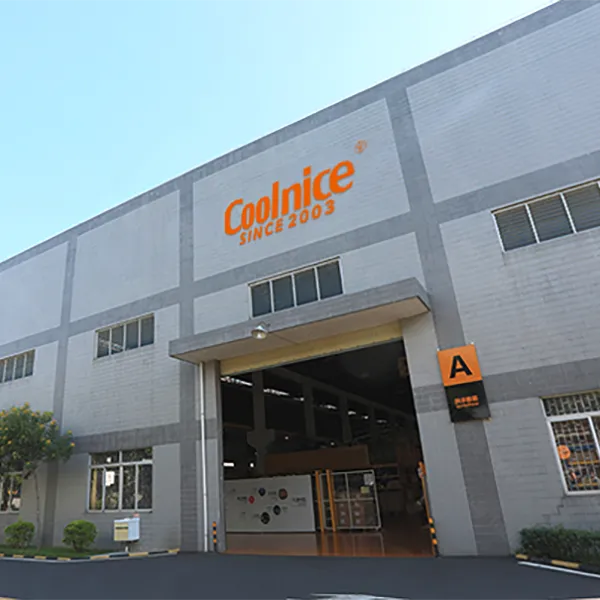
- Factory type: OEM/ODM silicone product manufacturer
- Monthly capacity range: Confirmed per SKU, size, and process route during RFQ
- Tooling support: Existing mold adaptation and fully custom mold development
- In-house QC team: Inline + final inspections with traceable batch records
- Color management: Pantone matching process with approval samples
- Engineering feedback: DFM review for thickness, sealing, and logo feasibility
This capability block is especially useful when comparing multiple vendors during sampling, because it links commercial promises to operational evidence.
OEM Customization Scope for Silicone Bag Projects
Customization should be treated as a structured engineering program rather than a visual afterthought. For most custom silicone bags, the best outcome comes from balancing brand expression with process stability.
- Pantone color matching with approved color standards
- Custom mold development vs. existing mold adaptation
- Embossed or debossed branding for durable logo expression
- Screen printing compatibility by surface and curvature
- Zipper, puller, and strap options by target price tier
- Size and wall-thickness engineering range by use-case
- Surface finish options (matte, smooth, textured) where applicable
For emerging brands, a low-risk path is to launch with an existing mold and customized branding, then transition to full tooling after sell-through and reorder velocity are validated.
Silicone Bag Manufacturing Process
When auditing a supplier, process clarity is a leading indicator of batch stability. Reliable factories can explain each step, the purpose of each control point, and likely defect modes.
- Raw material mixing and formulation control
- Compression molding or injection molding
- Vulcanization and curing
- Edge trimming and finishing
- Logo application
- Final quality inspection
- Packaging and shipment preparation
For custom silicone bags, process discipline directly affects odor performance, seal reliability, color consistency, and long-term deformation risk. If process explanations are vague, scale-up risk is usually higher.
QC Checkpoints
- Surface consistency and visible defect control
- Flash control at parting lines
- Batch-to-batch color stability
- Post-curing odor testing
- Seal integrity for zipper models
- Dimensional checks for tolerance-sensitive SKUs
- Packing verification to reduce transit damage risk
MOQ Structure and Lead Time Planning
MOQ is not a fixed universal number. It depends on mold status, branding complexity, packaging requirements, and factory line allocation. Planning MOQ early helps avoid margin erosion and delayed launch.
- Existing mold + branding: lower MOQ and faster startup
- New mold development: higher MOQ due to tooling amortization
- Custom packaging: often has a separate MOQ threshold
- Multi-color strategy: can split demand and increase per-color minimum pressure
- Sample development: 7–14 days
- Mass production: 20–35 days depending on volume
When launching custom silicone bags for campaigns or seasonal drops, secure production windows early. Peak periods can extend lead time beyond nominal estimates, especially when color approvals and packaging inserts are involved.
Cost Drivers and Margin Planning in OEM Projects
Teams often underestimate how quickly cost structure shifts when moving from sample to mass production. Building a simple cost model in advance helps protect gross margin and avoid late-stage negotiation pressure.
- Material grade and hardness: affects both unit cost and performance profile
- Bag size and wall thickness: direct impact on material consumption
- Tooling complexity: influences upfront investment and revision cycles
- Logo method: embossed/debossed vs. print methods with different cost stability
- Packaging configuration: can materially change landed cost
- QC standard level: stricter AQL requirements may increase inspection cost
A practical approach is to model at least three scenarios: entry SKU (low customization), core SKU (balanced), and premium SKU (high customization). This creates clear trade-off visibility before PO confirmation.
Risk Controls for Sustainable Positioning
Sustainability claims should be evidence-led. Overstated language without technical support creates legal, channel, and brand risks. In regulated or highly scrutinized markets, documentation quality matters as much as product quality.
- Define lifecycle usage assumptions clearly in product briefs
- Validate durability through repeated-use testing protocols
- Confirm formulation and compliance documentation
- Align marketing statements with actual product performance
- Avoid unsupported environmental claims in channel copy
For custom silicone bags, the strongest sustainability narrative is usually durability + repeat usability + reduced replacement frequency, supported by transparent production controls.
Private Label Rollout Framework
Private label success depends on sequencing. Over-customizing too early can lock brands into unnecessary tooling and inventory exposure. A phased model improves cash efficiency and forecasting accuracy.
- Launch with base SKU using an existing mold
- Track sell-through, return rate, and reorder frequency
- Add custom branding and packaging on validated SKUs
- Scale to design variants after stable replenishment
- Introduce seasonal or channel-exclusive versions after baseline stability
This framework allows teams to gather real market data before committing to deeper customization, especially important for cross-border and multi-channel growth.
Supplier Evaluation Checklist for Buyers
Use a checklist-based review to compare suppliers consistently. This reduces subjective decisions and helps cross-functional teams align faster.
- Can the factory explain full process flow and defect controls?
- Are sample revisions documented with clear corrective actions?
- Is lead-time commitment backed by capacity planning evidence?
- Are color and odor acceptance criteria agreed before mass production?
- Can the supplier support both pilot volumes and scale-up orders?
- Are packaging specs and shipping standards clearly locked?
A supplier that scores well on transparency and corrective execution usually performs better than one that only competes on headline unit price.
Internal Resources
Conclusion
For sustainable accessory programs, custom silicone bags offer a strong balance of durability, reusability, and design flexibility. The best sourcing outcomes come from connecting material logic with supplier capability, process control, MOQ planning, and phased private-label execution.
Before scale-up, finalize specification documents, validate samples against defined QC checkpoints, and reserve production windows with your manufacturer. This discipline helps reduce launch risk, stabilize replenishment, and protect long-term margin.
Implementation Timeline Example (From RFQ to Reorder)
To make cross-functional planning easier, teams can use a milestone-based timeline model. This helps synchronize sourcing, design, marketing, and logistics around realistic execution windows.
- Week 1: Finalize RFQ scope, target price, quality standard, and packaging brief.
- Week 2: Receive technical feedback and confirm sampling route (existing mold vs. new mold).
- Week 3–4: Sample review, color approval, and revision decisions.
- Week 5: Lock BOM, finalize artwork, and confirm production slot.
- Week 6–9: Mass production, inline QC tracking, and pre-shipment inspection.
- Week 10+: Shipment, channel allocation, and post-launch quality review.
For custom silicone bags with multiple colorways, add buffer time for approval loops and carton mark confirmation. Building this buffer into launch planning is often the difference between on-time delivery and costly campaign adjustments.
FAQ
Are custom silicone bags suitable for premium gift sets?
Yes. Many brands use custom silicone bags in premium sets because they combine cleanable surfaces, long reuse life, and stronger shelf presentation than disposable alternatives.
Should I start with OEM or full ODM development?
If demand is not yet validated, start with OEM using existing molds plus branding customization. Move toward deeper ODM geometry once reorder patterns are stable and tooling ROI is clearer.
What is the most common mistake in first-time sourcing?
A common issue is approving samples without defining measurable acceptance criteria for color, odor, and sealing performance. Clear pass/fail standards should be documented before PO release.
How do I reduce inventory risk while expanding SKUs?
Use phased expansion: scale core winners first, then add design variants by channel performance. This keeps working capital under control while maintaining product-line growth.