Silicone Beauty Tools Guide for B2B Buyers
Silicone beauty tools are no longer niche add-ons. For many distributors, salon chains, and private label brands, silicone beauty tools have become a repeat-order product line with stable demand. Buyers choose them because they are easy to clean, durable, hygienic, and simple for end users.
However, category growth does not guarantee smart purchasing decisions. Many teams source based only on catalog photos or sample feel, then face problems such as texture inconsistency, weak packaging, or high return rates. This guide focuses on B2B decision-making: how to evaluate silicone beauty tools, compare suppliers, manage risk, and protect margin.
What Counts as Silicone Beauty Tools in a B2B Product Mix
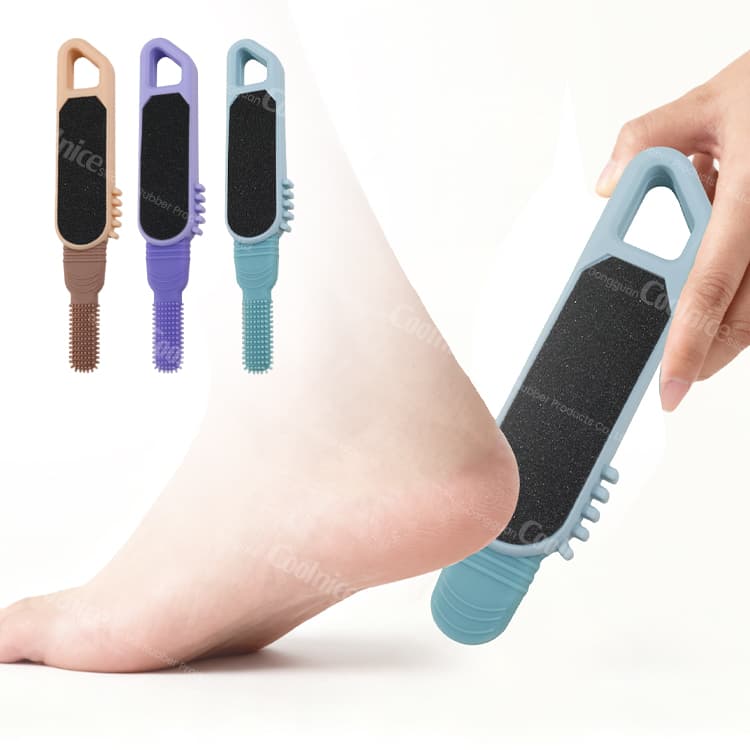
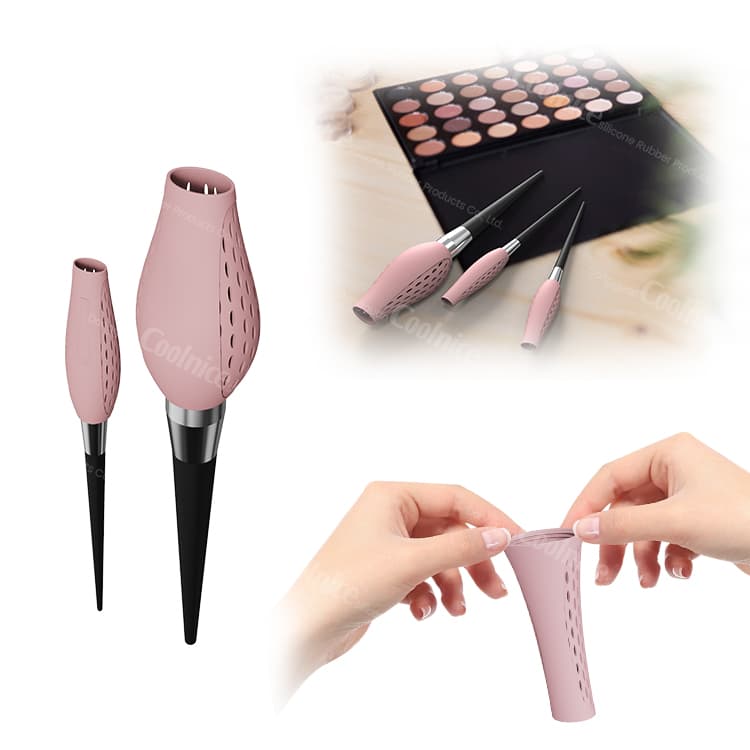
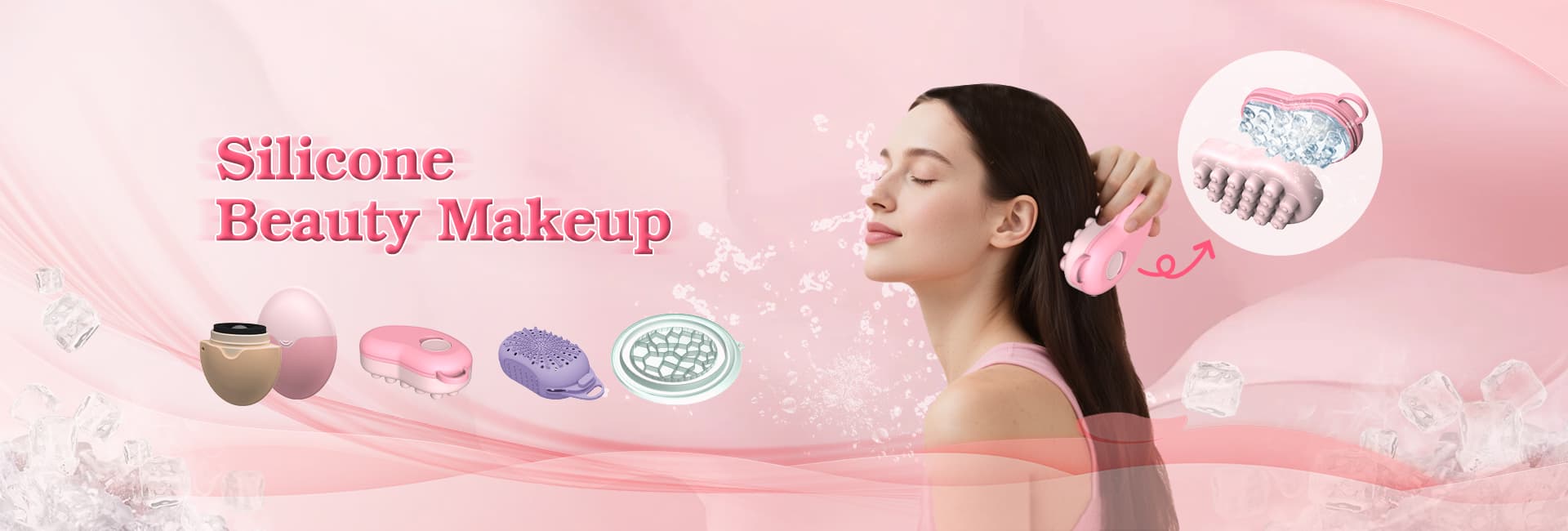
In wholesale and salon channels, silicone beauty tools typically include scalp massagers, facial cleansing brushes, eye-area massage tools, and small applicators. Their value is not only functional. It also relates to hygiene perception, shelf appeal, and repeat purchase behavior.
A common scenario: a distributor wants one SKU family that can sell to both salons and retail stores. In this case, handle ergonomics, stiffness level, and cleaning convenience matter more than adding unnecessary features.
| Channel Type | Priority | Product Focus | Packaging | Risk |
|---|---|---|---|---|
| Salon | Grip and cleaning speed | Professional scalp tool | Bulk carton | Operational time cost |
| Retail | Visual appeal | Multi-texture cleansing brush | Retail-ready box | Return risk from mismatch |
Risk point: Some suppliers adjust silicone ratios to reduce cost. Samples may feel soft, but products harden or deform after repeated cleaning. Always request material specifications and batch consistency documentation before confirming bulk orders.
Core Product Types
- Silicone scalp massagers
- Silicone facial cleansing brushes
- Silicone eye-area massage tools
- Multi-texture silicone finger brushes
Key Advantages Buyers Should Verify, Not Assume
Most suppliers describe silicone beauty tools as soft, safe, and durable. While technically true, B2B buyers must validate these claims. Softness should remain stable across batches. Durability must hold under real cleaning routines and repeated handling.
For salons, cleaning speed directly affects staff efficiency. If residue builds up, cleaning time increases and hygiene perception drops. For wholesale channels, durability affects return rates and product reviews.
Risk point: Claims such as “food-grade” or “medical-grade” silicone without documentation create compliance risk. Always request applicable test reports aligned with your target market regulations.
Verification Checklist
- Surface texture consistency by production lot
- Elastic recovery after repeated bending
- Odor stability after washing
- Mold flash and edge finishing control
- Packaging durability during transit
Supplier Evaluation: Questions Before You Place a PO
When sourcing silicone beauty tools, price alone is not a reliable indicator. Evaluate sampling workflow, quality checkpoints, lead-time control, and corrective action procedures.
In one distributor meeting, the purchasing team pushed for lower MOQ, while the operations team emphasized defect control. The final decision balanced both by testing two SKUs before scaling volume.
- What is your sample-to-mass-production process?
- How do you ensure texture consistency across batches?
- What is your standard and peak-season lead time?
- What defect threshold (AQL) applies before shipment?
- How do you handle replacement or corrective action?
Pricing, MOQ, and Margin Planning
Healthy margin begins at sourcing. Evaluate total landed cost: unit price, packaging, freight, defect allowance, and replacement policy. A lower quotation is not always the better commercial decision for silicone beauty tools.
For new product lines, avoid over-committing inventory. Start with controlled pilot volume. Once sell-through is validated, scale with improved pricing tiers.
Risk point: Ignoring lead-time fluctuation during peak months can cause stockouts or emergency air freight costs.
Manufacturing Capability Snapshot
For OEM buyers of silicone beauty tools, supplier capability should be clearly documented before price comparison.
- Material options: cosmetic-grade silicone with FDA/LFGB compliance path if required
- Typical hardness range: 30A–60A depending on function
- Branding methods: deboss logo, silk print, color matching
- MOQ: pilot-friendly MOQ for base SKUs, higher MOQ for custom packaging
- Lead time: samples 7–14 days; mass production 20–35 days
Risk point: If a supplier cannot provide this capability summary in writing, execution risk may outweigh quoted savings.
Market Demand and Positioning Strategy
Demand for silicone beauty tools continues to grow due to hygiene awareness, ease of cleaning, and gift-friendly design. Successful distributors position products by use case rather than generic features.
Examples include “scalp relaxation after long workdays” or “quick facial cleansing for travel routines.” Clear positioning improves conversion in both B2B catalogs and retail channels.
FAQ
What is the best starter SKU for new wholesale buyers?
Basic scalp massagers or cleansing brushes are usually stable entry SKUs due to repeat demand and simple functionality.
How can I reduce return risk?
Define appearance tolerance, verify material consistency, and validate packaging durability before mass production.
Should salon and retail versions be the same?
Not always. Salon tools prioritize durability and grip, while retail tools emphasize appearance and bundle value.
Is private label suitable for first orders?
Private label works best after demand validation. Start with proven base SKUs, then scale into branded silicone beauty tools once reorder speed is stable.
Conclusion
Silicone beauty tools offer strong repeat potential for distributors, salons, and private label brands. However, long-term profitability depends on supplier control, quality consistency, and smart margin planning. A structured sourcing approach reduces avoidable risk and protects brand reputation.
If you are planning to expand your silicone beauty tools product line, begin with a controlled pilot order and a written supplier scorecard. Validate quality and lead time before scaling volume.