Starlink Case Guide: Storage and Carrying Solutions for Standard, Gen 3, and Mini Systems
As Starlink continues to be used beyond fixed home installations—such as RV travel, outdoor setups, field work, and temporary deployments—proper storage and carrying solutions have become increasingly important. A well-designed Starlink case helps protect equipment, keeps components organized, and supports repeated setup and breakdown without unnecessary wear.
This guide explains what a Starlink case is, why proper storage and carrying matter, and how to choose the right option for different Starlink models, including Standard, Gen 3, and Mini systems.
What Is a Starlink Case?
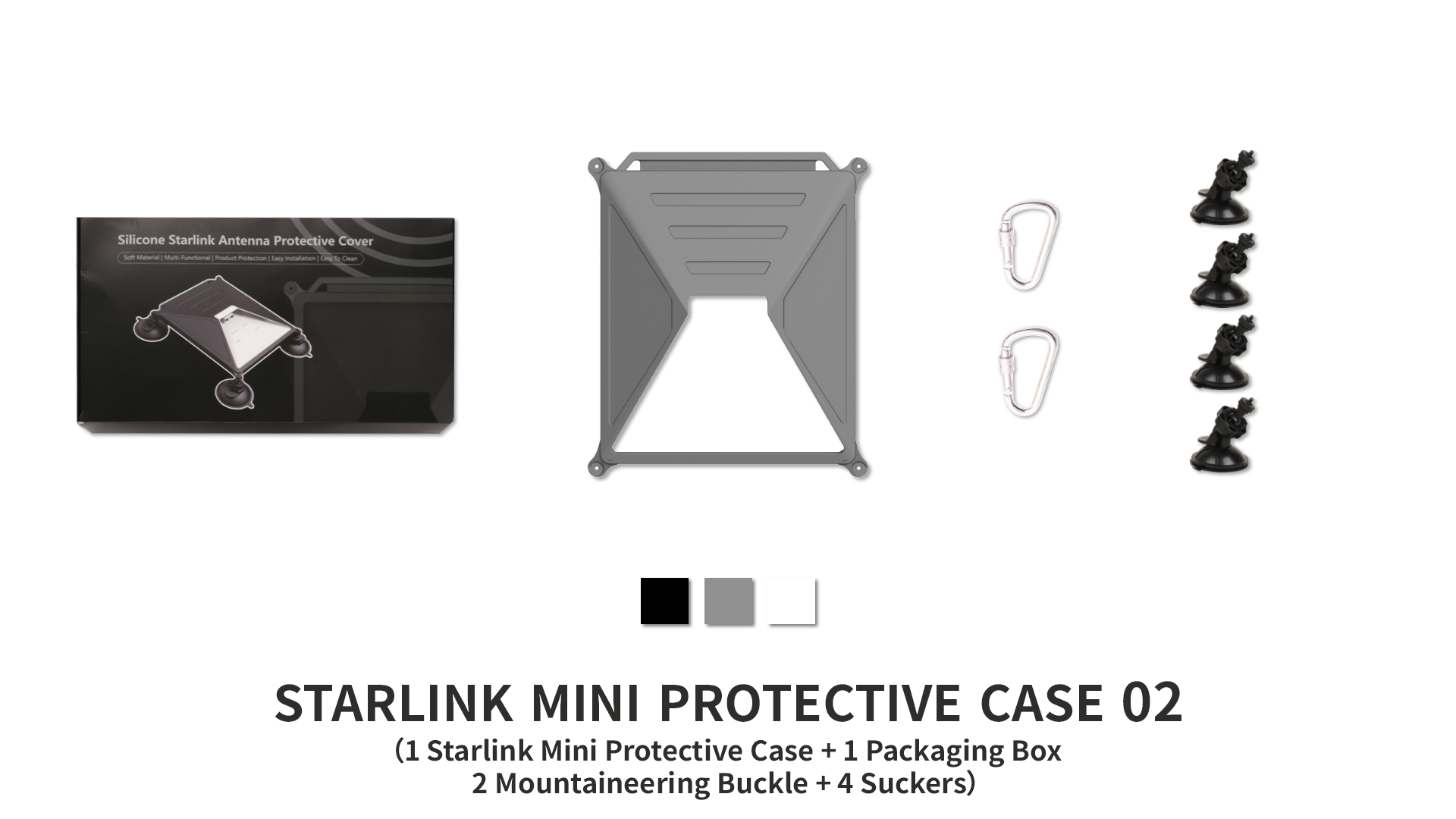
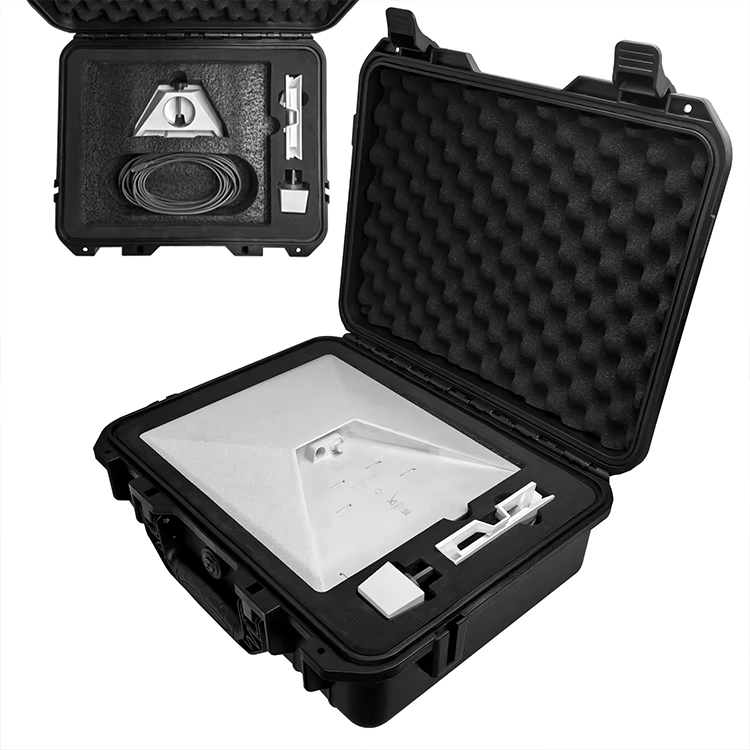
A Starlink case is a dedicated storage and carrying solution designed specifically for Starlink equipment. Unlike original packaging or generic bags, a purpose-built Starlink storage case is structured to hold key components securely, such as:
-
The Starlink dish
-
Power supply and cables
-
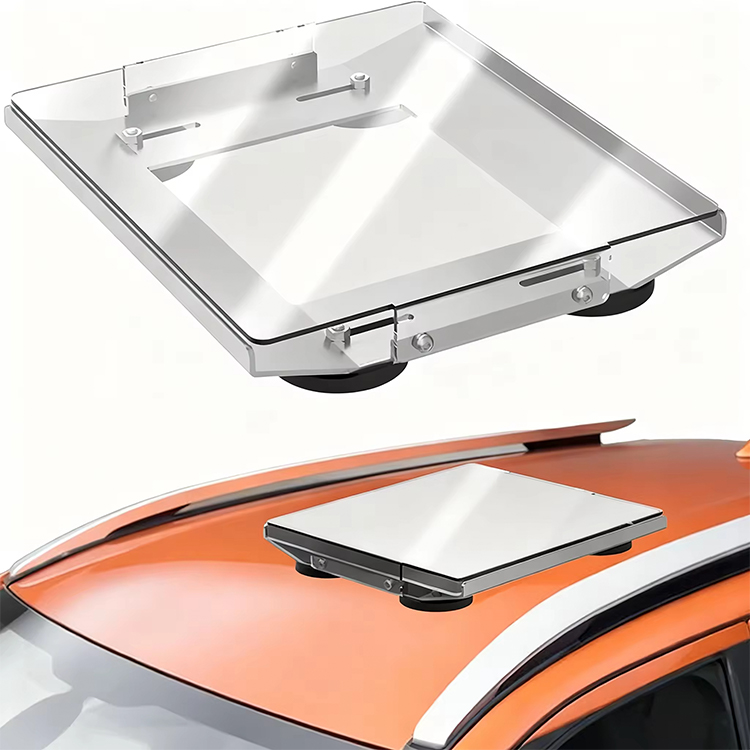
Mounting or accessory parts
The main goal of a Starlink case is storage and carry, not one-time shipping. It is intended for repeated use, helping users safely store their system between deployments and move it between locations when needed.
Compared to original packaging, a reusable Starlink case offers better protection, organization, and long-term durability.
Why Storage and Carrying Matter for Starlink Systems
Repeated Packing and Relocation
Many Starlink users regularly pack and unpack their systems—whether moving between campsites, switching job locations, or storing equipment between uses. Without proper storage, components can be exposed to impact, cable stress, or surface damage over time.
Real-World Use Scenarios
Starlink systems are commonly used in:
-
RV and vehicle-based setups
-
Outdoor and camping environments
-
Field installations and temporary internet deployments
In these scenarios, proper storage and carrying help maintain equipment condition and reduce setup time.
Storage and Carrying, Not Shipping
It is important to distinguish between shipping and everyday handling. A Starlink portable case is designed for user handling, storage, and relocation, rather than commercial freight shipping. This distinction aligns closely with how people actually search for and use Starlink cases.
Hard Case vs. Soft Case for Starlink
Different users require different levels of protection. Most Starlink cases fall into two main categories.
Hard Starlink Case
A hard Starlink case typically features a rigid outer shell with structured interior support.
Common characteristics include:
-
Impact-resistant exterior
-
Foam or molded inserts to stabilize components
-
Strong protection for frequent or demanding use
Hard cases are well suited for users who travel often, operate in rugged environments, or require maximum protection.
Soft or Lightweight Case
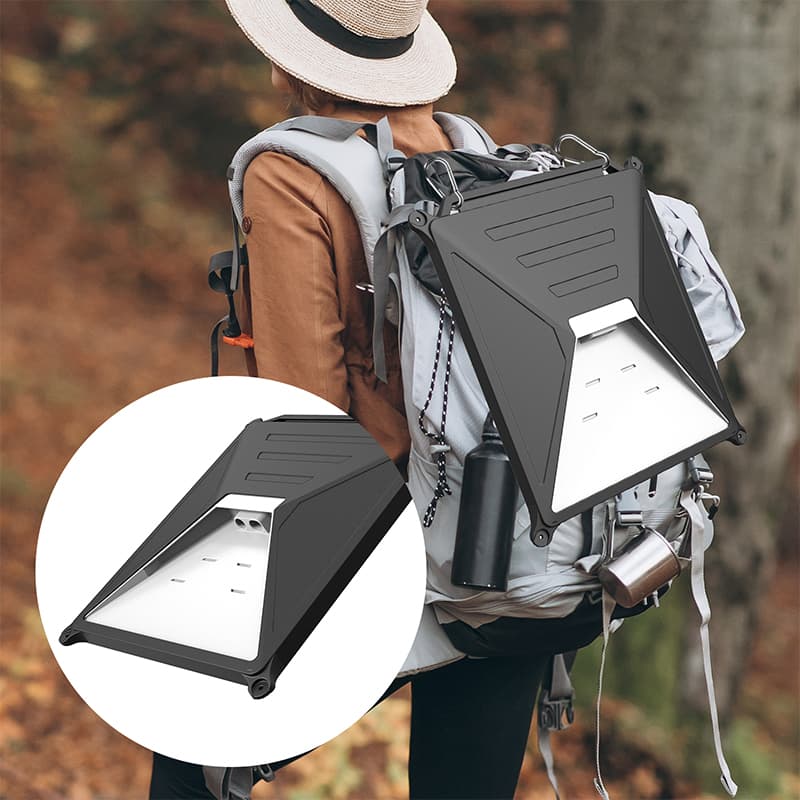
Soft or semi-rigid cases focus on portability and convenience.
Typical features include:
-
Lighter weight
-
Easier handling for short trips
-
Basic organization with reduced impact resistance
These options are suitable for users who move their system occasionally and prioritize compact storage.
Choosing the Right Case for Different Starlink Models
Compatibility is a key factor when selecting a Starlink case. Different models vary in size and component layout, making proper fit essential.
Case for Starlink Standard
A Starlink Standard case should provide sufficient internal space for the dish and accessories without forcing tight bends in cables. A defined internal layout helps prevent movement during storage and carrying.
Starlink Gen 3 Case Options
Starlink Gen 3 systems differ slightly in form factor compared to earlier versions. A Starlink Gen 3 case should account for these size changes and provide stable support for the dish and power components.
Starlink Mini Case Considerations
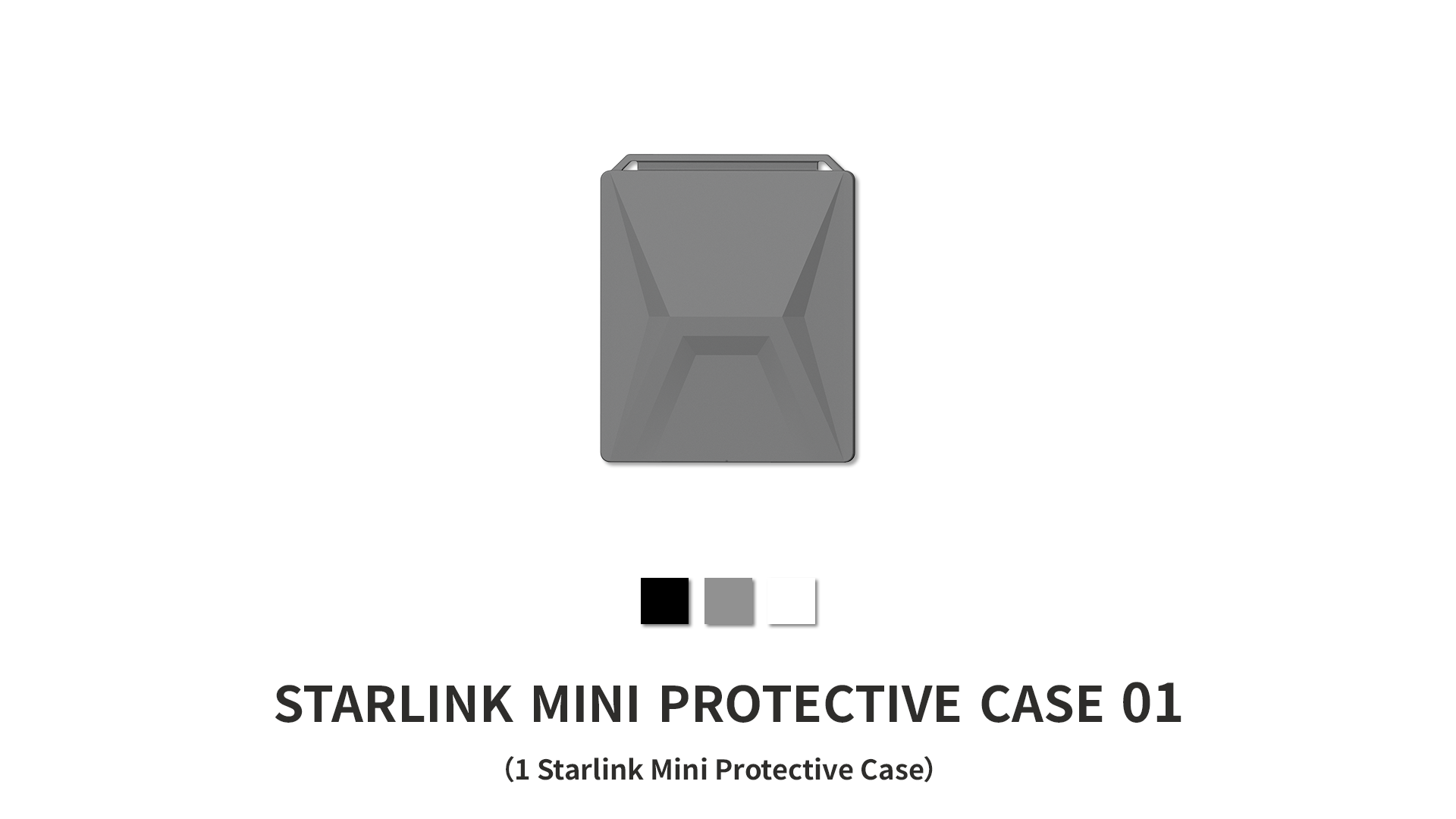
Starlink Mini systems are more compact, making portability a priority. A Starlink Mini case should balance protection with lightweight design, especially for users who travel frequently or carry the system by hand.
Pelican Case for Starlink: When Rugged Protection Is Needed
Pelican cases are frequently searched alongside Starlink cases because of their reputation for durability. A Pelican case for Starlink may be suitable for users who require:
-
High-impact protection
-
Rugged construction for harsh environments
-
Long-term durability in professional or field applications
Compared to standard storage cases, Pelican-style cases tend to be heavier and more robust. While not necessary for every user, they are often chosen for demanding use cases where equipment protection is critical.
Common Use Scenarios for Starlink Cases
Starlink cases are commonly used in a variety of real-world situations:

-
RV and vehicle travel – Organized storage simplifies setup and breakdown
-
Camping and outdoor use – Protects equipment from dirt and minor impact
-
Field deployment – Supports repeated use in temporary locations
-
Temporary internet setups – Helps manage components efficiently
Each scenario benefits from having a case that matches both the environment and frequency of use.
Final Thoughts
A Starlink case plays an important role in protecting, storing, and carrying Starlink systems used outside of permanent home installations. Whether choosing a hard case, soft case, or rugged option, the right solution depends on how often the system is moved, which model is used, and the environment it operates in.
By focusing on proper storage and carrying—rather than shipping—users can extend equipment lifespan, improve organization, and ensure reliable performance across different deployment scenarios.