
How to Build a Cold Beauty Tools Product Line for Your Brand
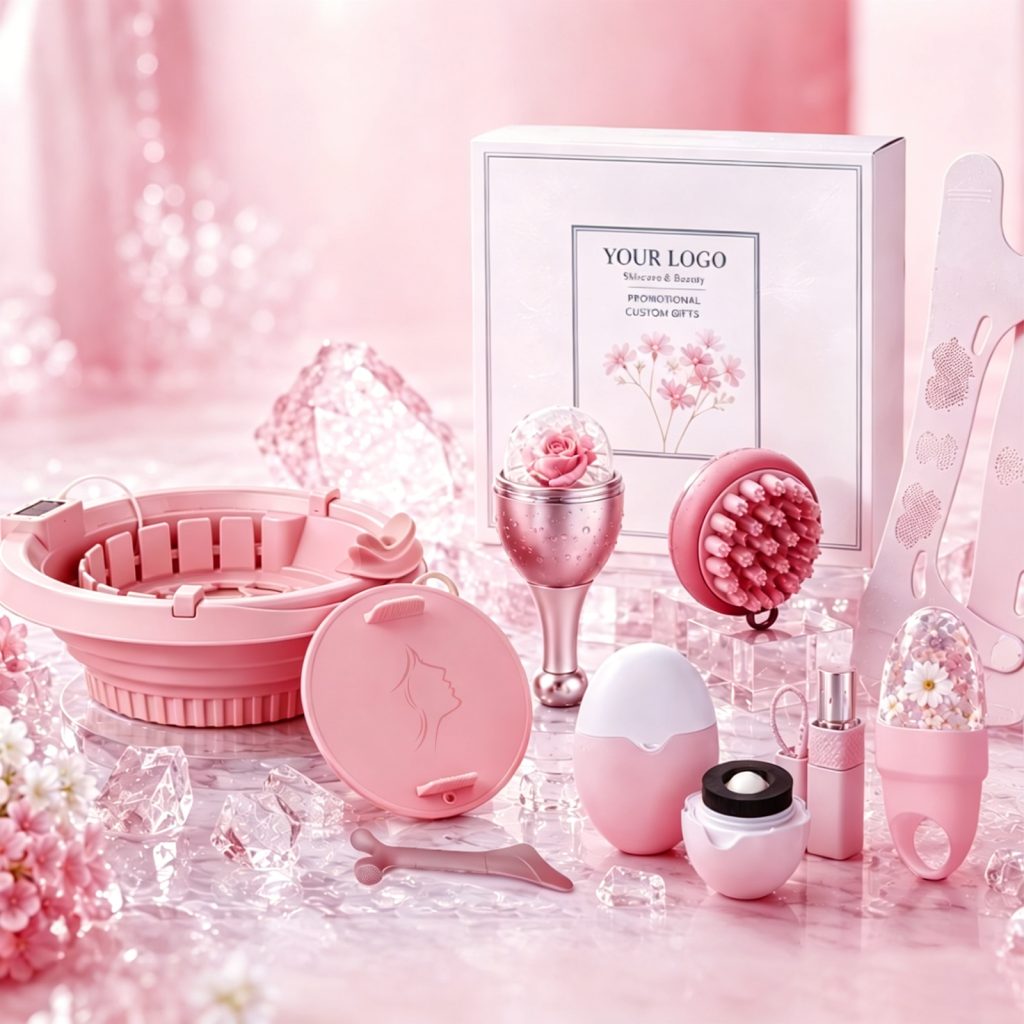
A cold beauty tools product line gives buyers more than one item to sell. It gives them a clear skincare story. One ice roller can be copied fast. A set of facial cooling tools, custom colors, packaging, and ready stock is harder to replace.
For beauty brands and Amazon sellers, this matters. Customers often search for an ice roller for face, a facial ice mold, or tools for morning puffiness. But a brand needs more than search demand. It needs a product range that looks connected, feels useful, and can be reordered.
This guide explains how to plan a cold beauty tools product line from a B2B sourcing view. It covers product selection, use scenes, OEM/ODM options, material checks, quality control, and supplier choice.
Why a Cold Beauty Tools Product Line Works Better Than a Single Item
A single product is easy to test. It is also easy to compare by price. When every supplier offers one similar ice roller, buyers focus on the lowest quote.
A product line changes that conversation. It helps a buyer build a full cold skincare routine. It can include tools for the face, eyes, scalp, and body. It can also support gift sets, spa kits, private label programs, and Amazon bundles.
For a brand, the value is not just the tool. The value is the offer.
A product line creates a clearer brand story
Cold beauty tools work best when they are grouped by use case. For example:
- Morning depuff routine
- Skin icing at home
- Pre-makeup skin prep
- Post-workout skin cooling
- Scalp cooling and shower massage
- Travel-friendly facial cooling
Each scene gives the buyer a reason to add another product. It also helps the product page feel less random.
A silicone ice therapy beauty collection can present the full range as one system. The customer sees a cold skincare routine, not a box of unrelated items.
A product line supports higher order value
Many B2B buyers do not want only one SKU. They want options. They may start with one hero item, then add two or three matching products.
This creates simple product tiers:
- Starter set: facial ice mold + ice roller
- Advanced set: facial ice mold + ice roller + cleansing brush
- Full set: facial ice bath bowl + scalp cooling massage brush + ice roller + custom packaging
These sets help a brand test the market without building a large catalog from scratch.
A product line helps sales teams explain value
It is weak to say, “We have one ice tool.” It is stronger to say, “We can help you build a cold beauty tools product line with ready stock, custom color, logo, and packaging.”
That is the B2B difference. The buyer is not only buying silicone. They are buying product planning support.
What to Include in a Cold Beauty Tools Product Line
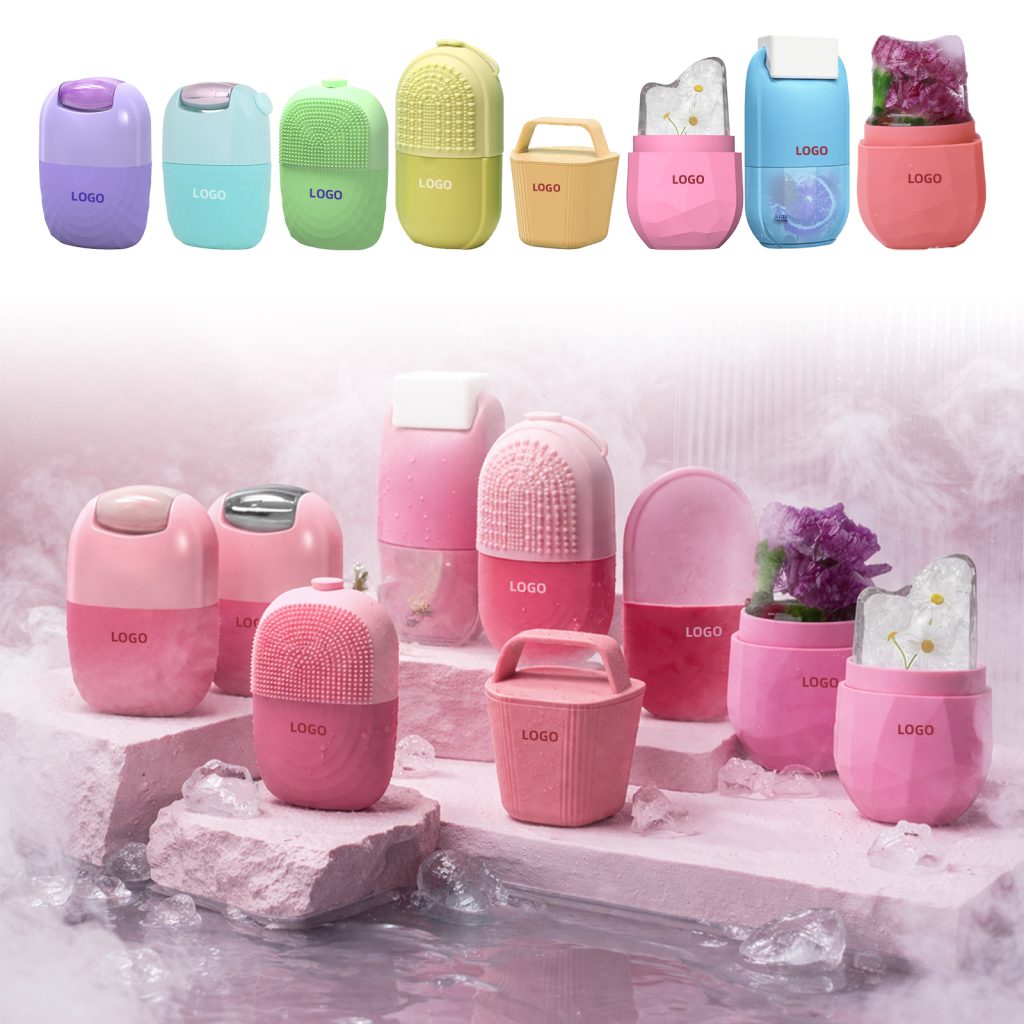
A strong cold beauty tools product line should include products with different jobs. Do not choose ten tools that do the same thing. Choose tools that support different routines.
Start with one main product. Then add products that solve nearby needs.
Start with a hero product
The hero product should be easy to understand. It should also match existing search demand.
For many brands, the hero product is an ice roller for face. It is familiar, easy to explain, and useful in morning skincare. Buyers already know the category. That lowers education cost.
An ice roller can be positioned around:
- Puffy-looking skin
- Morning cooling
- Under-eye cooling
- Pre-makeup prep
- Travel-friendly skincare
For B2B use, the hero product should also support custom colors, logo printing, and packaging options. If a product looks good in lifestyle photos and can be packed as a gift, it is easier to sell online.
Add a facial ice mold for skin icing
A facial ice mold gives the product line another angle. It connects to skin icing, cold facial routines, and reusable silicone beauty tools.
The product is simple. The user fills it with water, freezes it, and uses it for a short cooling massage. Some brands may also position it for morning refresh, pre-makeup cooling, or warm-weather skincare.
For suppliers, the key details are:
- Silicone softness
- Mold shape
- Grip comfort
- Leak resistance
- Ease of cleaning
- Freezing and unmolding performance
If the mold will be used near the face, the surface should feel smooth. Edges should not scratch the skin. The structure should be easy to rinse after use.
Add tools for the eyes, scalp, and body
Once the face products are clear, the range can expand by body area.
Eye tools can focus on under-eye cooling and morning puffiness. Small tools are useful here because buyers often want something precise and easy to control.
A scalp cooling massage brush can support a different routine. It can be used for scalp cooling, shower massage, and hair care routines. This gives the collection a second product story beyond facial skincare.
Portable cold massage tools can be added for the neck or body. Keep the wording cosmetic. Avoid medical claims about pain, injury, or recovery unless the product has the right compliance support.
Build sets by customer type
Not every customer needs the same set. A small Amazon seller may want ready stock and low MOQ. A skincare brand may want custom color and custom packaging. A spa buyer may want a set that looks clean in treatment rooms.
Useful set ideas include:
Starter Cold Beauty Set:
- Facial ice mold
- Ice roller
- Simple retail box
Advanced Facial Cooling Set:
- Ice roller
- Facial ice mold
- Ice facial cleansing brush
- Branded insert card
Full Cold Beauty Care Set:
- Facial ice bath bowl
- Ice roller
- Scalp cooling massage brush
- Custom packaging
- Product images and video support
Sets help buyers test more than one SKU. They also make the supplier look more prepared.
How OEM/ODM Customization Supports Brand Buyers
For B2B buyers, a cold skincare tool is not finished when the shape is chosen. The product still needs brand details. That is where OEM ODM beauty tools support becomes important.
Custom work should be clear before sampling. Buyers need to know what can be changed, what needs a mold, and what affects cost or delivery time.
Custom color and logo
Color is often the first request. Beauty products need to match a brand mood. Soft pink, ice blue, mint, lavender, white, and neutral tones are common. But exact colors should be confirmed with a color reference.
Logo options may include:
- Screen printing
- Pad printing
- Laser marking on some parts
- Sticker or label on packaging
- Embossed or debossed logo if the mold allows it
The right method depends on the material and product shape. A logo on silicone may need different handling than a logo on plastic packaging.
Custom packaging
Packaging matters for private label skincare tools. It affects retail value, shipping protection, and customer trust.
Common packaging options include:
- Color box
- Kraft box
- Window box
- Sleeve box
- Mailer box
- Instruction card
- Barcode label
- Product insert
For Amazon sellers, packaging should be checked for barcode placement, warning text, country of origin, and shipping durability. For DTC brands, packaging also needs a clean unboxing experience.
Do not invent compliance claims. If a buyer needs test reports, safety files, or specific labeling, confirm what is available and what must be arranged.
Ready stock and low MOQ
Ready stock helps new buyers test demand. It also lowers the risk of the first order. A buyer can start with available colors and simple packaging, then move into custom work after sales are proven.
Low MOQ is useful, but it should not hide real limits. Some packaging, colors, and logo methods may require higher quantities. A clear supplier will explain this early.
This is where an Amazon beauty product supplier can add value. They can help buyers choose between fast launch and deeper customization.
How to Check Materials, Structure, and Quality Before Bulk Orders
Cold beauty tools look simple. But small details affect user experience. A buyer should check samples before bulk production.
The goal is not to chase fancy claims. The goal is to confirm that the product works as expected, feels safe for cosmetic use, and matches the sales channel.
Check silicone material and surface finish
For silicone products, buyers should check the touch feel, flexibility, odor, and surface finish. A facial tool should not feel sticky, rough, or difficult to clean.
Ask the supplier what material is used. If the product contacts skin or water, ask what test documents are available. Do not assume every supplier has the same reports.
If certificates or test reports are needed for your market, confirm them before order confirmation. If details are missing, write: product parameters and test requirements can be confirmed according to the actual product and target market.
Check freezing and use performance
Cold beauty tools must survive repeated freezing and handling. During sample checks, review:
- How easy the product is to fill
- Whether it leaks
- How stable it is in the freezer
- How easy it is to hold when cold
- Whether the surface feels too sharp or too hard
- How easy it is to clean after use
For an ice roller, check whether the roller moves smoothly. For a facial ice mold, check whether the ice shape releases well. For a facial ice bath bowl, check folding, sealing, breathing comfort, and storage.
Check packaging before mass production
A product can pass the use test and still fail the retail test. Packaging should protect the product and explain it clearly.
Before bulk orders, check:
- Box size
- Product fit inside the box
- Insert card text
- Barcode placement
- Product name
- Warning and care instructions
- Shipping carton strength
If the product is for Amazon, confirm packaging and label needs before production. If it is for wholesale, confirm case pack and carton marks.
Check claims and risk language
Cold beauty tools should stay in cosmetic language. They can support cooling comfort, morning routines, and puffy-looking skin. They should not claim to treat medical swelling, inflammation, rosacea, period pain, injury, or post-surgery recovery.
Use safe wording:
- cooling comfort
- temporary cooling sensation
- helps skin feel refreshed
- gentle cold massage
- for puffy-looking skin
Avoid wording like:
- cure swelling
- reduce inflammation
- medical cold therapy
- treat pain
- period pain relief
This protects the buyer and the supplier.
How to Choose the Right Cold Beauty Tools Manufacturer
A cold beauty tools manufacturer should do more than quote one product. The right supplier should help you plan a line, test samples, prepare packaging, and avoid weak product choices.
This is especially important if you are building a collection for retail or e-commerce.
Look for product range, not only price
If a supplier only has one item, they may still be useful. But a product line needs more depth.
Look for a supplier that can support:
- Ice rollers
- Facial ice molds
- Facial ice bath bowls
- Scalp cooling tools
- Ice facial cleansing brushes
- Portable cold massage tools
- Gift sets and packaging
This makes it easier to build a connected cold beauty tools product line with one factory.
Ask how they support product development
A strong supplier should be able to explain product differences. They should know which tool fits which use scene.
Ask questions such as:
- Which product is best for a starter set?
- Which items are ready stock?
- Which items support logo printing?
- What custom packaging options are available?
- Can products be combined into a gift set?
- What photos or videos can support online selling?
- What test reports are available?
Clear answers save time. Vague answers create risk.
Review sample process and quality control
Before bulk orders, ask for samples. Test them in real use scenes. Fill, freeze, hold, clean, pack, and photograph them.
A supplier should also explain basic quality control points. These may include appearance checks, function checks, packaging checks, and carton checks. Do not accept broad claims without details.
If a supplier says a product is ready for your market, ask what that means. It may refer to stock, packaging, documents, or only production ability. These are different.
Plan the first order with a clear launch path
Many buyers do not need a large custom order on day one. A safer path is:
- Choose one hero product.
- Add one or two related tools.
- Test ready stock or simple private label.
- Gather sales feedback.
- Improve color, packaging, and set design.
- Scale the best items.
This approach is practical for Amazon sellers and smaller beauty brands. It also gives the supplier a clearer development direction.
Building the Product Line: A Practical Example
Here is a simple way to build the line from basic to advanced.
Step 1: Start with facial cooling
Choose an ice roller and facial ice mold. These are easy for customers to understand. They fit morning routines, skin icing, and pre-makeup prep.
Use the product pages to explain:
- How to use each tool
- How long to apply it
- How to clean it
- Who it is suitable for
- When not to use it
This builds trust and reduces misuse.
Step 2: Add a signature product
Add a breathable facial ice bath bowl or a special massage ice mold. This gives the line something more distinctive.
The product should have a clear reason to exist. For example, a breathing tube can make facial cooling more comfortable. A brush-style ice mold can connect cleansing and cooling in one routine.
Step 3: Add scalp or body tools
Once the face line is clear, expand into scalp or body cooling. A scalp cooling massage brush can support shower routines and hair care content.
This gives the buyer a broader cold beauty care story. It also helps the product line feel less like a copy of every other ice roller listing.
Step 4: Package the line for channels
Each sales channel needs a different setup.
Amazon sellers may need ready stock, barcode labels, simple color boxes, and fast reorder support.
DTC brands may care more about brand color, story cards, unboxing, and lifestyle images.
Spa or salon buyers may prefer clean-looking tools, sets, and wholesale pricing.
Wholesalers may focus on carton packing, mixed SKUs, and stable supply.
A good supplier helps match products to the channel.
Final Buying Checklist
Before you place a bulk order, check the full picture.
Product:
- Does each item have a clear use?
- Does the product feel good in hand?
- Is it easy to clean?
- Is it simple to explain online?
Branding:
- Can the color be customized?
- Can the logo be added clearly?
- Does the packaging match the price point?
- Is the set visually consistent?
Supply:
- Which items are ready stock?
- What is the MOQ for custom work?
- What is the sample lead time?
- What is the bulk production lead time?
- What quality checks are done before shipment?
Compliance:
- What test reports are available?
- What labeling is needed for the target market?
- Are claims written in cosmetic language?
- Are warning and care instructions included?
This checklist helps buyers avoid common mistakes. It also makes communication with the supplier faster.
Conclusion: Build a Line, Not a Loose Product List
A cold beauty tools product line works best when each item has a clear role. The ice roller can be the familiar hero product. The facial ice mold can support skin icing. The scalp cooling massage brush can extend the routine beyond the face. Sets and OEM/ODM options can turn these tools into a brand-ready collection.
For B2B buyers, the right supplier should help with more than production. They should support product matching, custom color, logo, packaging, ready stock, and clear quality checks.
If your goal is to launch a cold beauty tools product line, start with the products that are easiest to explain. Then build a collection that your customers can understand, photograph, sell, and reorder.
FAQ
What products should be included in a cold beauty tools product line?
A basic cold beauty tools product line can include an ice roller, facial ice mold, facial ice bath bowl, and scalp cooling massage brush. A larger line can add cleansing brushes, mini cooling tools, and gift sets.
Is an ice roller for face a good first product?
Yes. An ice roller for face is easy to explain and already familiar to many skincare buyers. It can work as the hero product before adding other cold beauty tools.
Can a facial ice mold be customized for private label?
Yes, many suppliers can customize a facial ice mold with color, logo, and packaging. Exact options depend on the mold, material, order quantity, and printing method.
What should Amazon sellers check before buying cold beauty tools?
Amazon sellers should check packaging size, barcode needs, product claims, sample quality, carton packing, and ready stock. An Amazon beauty product supplier should explain these points before bulk orders.
Are cold beauty tools medical products?
Cold beauty tools are usually positioned as cosmetic cooling tools. They are not meant to treat swelling, pain, inflammation, or medical conditions. Use safe cosmetic wording and check local rules before launch.
Looking to build your own cold beauty tools product line? Share your target product style, color, logo, packaging needs, and sales channel. You can choose from ready-stock silicone ice therapy tools or request OEM/ODM support for a custom beauty tool collection.