How to Depuff Face: Morning Routine and Cold Beauty Tools Guide
If you want to know how to depuff face in the morning, start with a simple routine. Most people do not need a complicated set of steps. They need gentle skincare, a short cooling moment, and habits that do not make puffy-looking skin worse.
This guide explains how to depuff face with practical skincare steps, cold beauty tools, and safe wording. It also shows how beauty brands and Amazon sellers can turn this search topic into useful content, product pages, and private label product ideas.
Important note: facial puffiness can have many causes. Cold beauty tools are cosmetic tools. They can provide cooling comfort and help skin feel refreshed, but they are not medical treatments for swelling, allergies, or inflammation.
Why Your Face Can Look Puffy in the Morning
Puffy-looking skin in the morning is common. It can be linked to sleep position, salty meals, alcohol, dehydration, skincare irritation, or normal fluid movement during sleep.
Searches like puffy face in the morning and how to debloat face usually come from the same need. The person wants to look more awake and feel more refreshed before work, school, photos, or makeup.
Sleep position and fluid movement
When you lie down for hours, fluid can collect in the face area. This can make the face or under-eye area look fuller in the morning. It often improves as the body moves and circulation changes during the day.
A morning depuff routine can help the skin feel more awake. It should be gentle. Hard pressure or aggressive massage can irritate the skin.
Food, alcohol, and hydration
Salty meals and alcohol can make some people feel more bloated the next morning. Not drinking enough water can also affect how the skin looks and feels.
A beauty tool cannot replace basic habits. A good routine combines hydration, gentle skincare, and short cooling steps.
When to be careful
If facial swelling is sudden, painful, one-sided, or linked to an allergic reaction, seek medical advice. Do not use a cold beauty tool as a treatment for a medical issue.
For product pages and blogs, keep the language cosmetic. Talk about puffy-looking skin, cooling comfort, and a refreshed feel.
How to Depuff Face with a Simple Morning Routine
The easiest way to explain how to depuff face is to build a repeatable routine. The routine should be short enough for a normal morning and gentle enough for regular use.
This is also useful for beauty brands. A clear routine helps customers understand why they need the product.
Step 1: Cleanse gently
Start with a mild cleanser. Avoid harsh scrubbing, especially if the skin already feels warm or sensitive. Pat the skin dry with a clean towel.
For brands, this step is useful because it places the cooling tool inside a real skincare routine. The tool is not random. It has a clear place after cleansing.
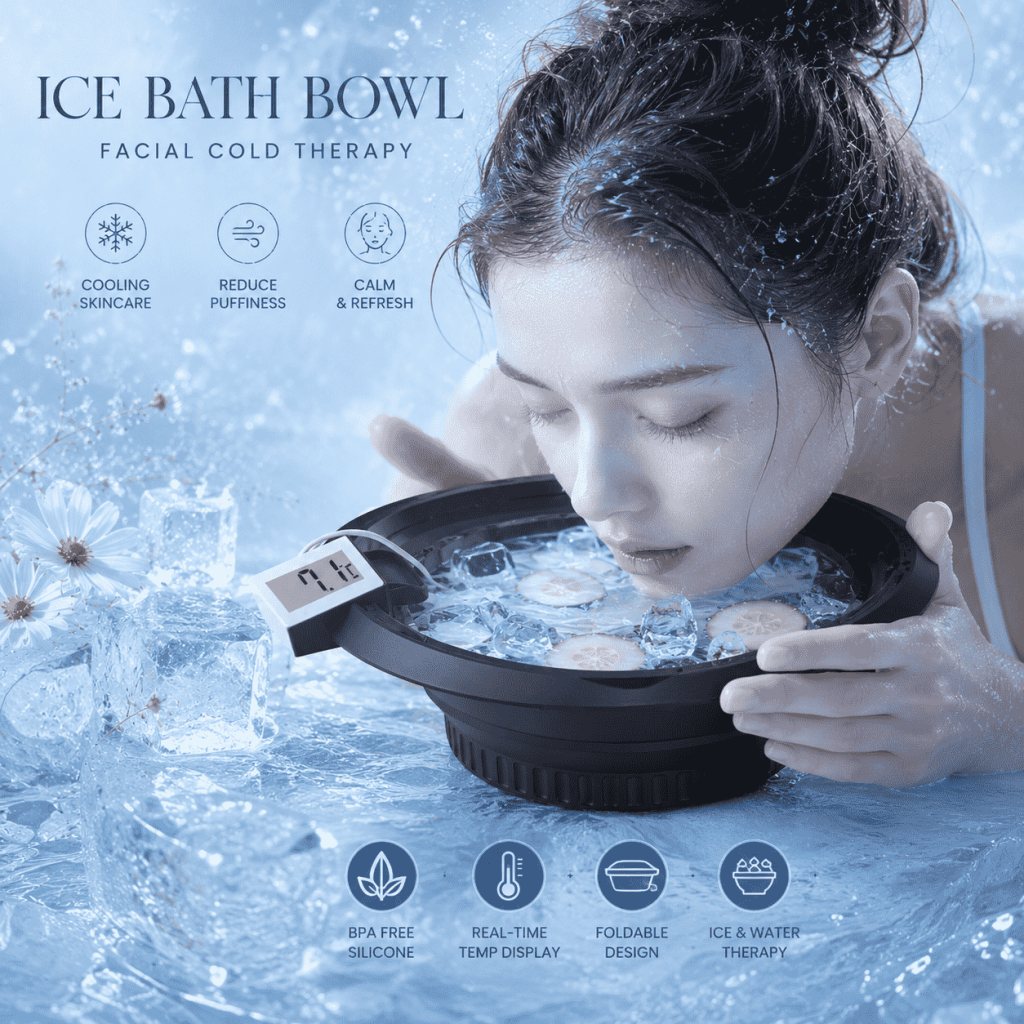
Step 2: Use a short cooling step
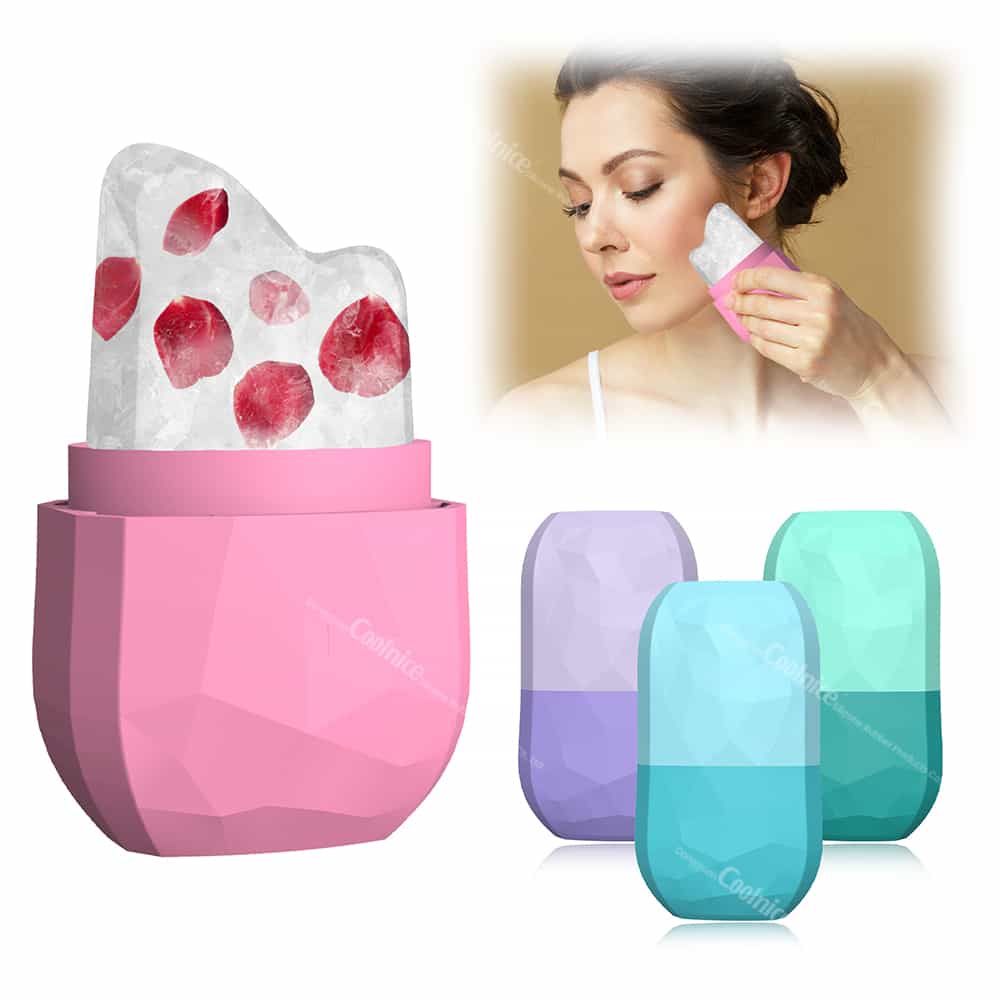
This is where an ice roller for puffy face or a facial ice mold can fit. Use light pressure and slow movements. Keep the routine brief. Follow the instructions for the specific product.
A tool should feel cool, not painfully cold. If the skin feels numb, irritated, or uncomfortable, stop using it.
Step 3: Apply skincare
After the cooling step, apply a gentle moisturizer or serum. Keep the routine simple. Too many strong actives can irritate some skin types, especially when paired with cold tools.
For product content, this is a natural place to mention skin icing and cold beauty routines without making treatment claims.
Step 4: Prep for makeup or the day
Many users want to know how to reduce face puffiness before makeup. A short cooling routine can help the skin feel fresher before the next step.
Do not promise that the face shape will change. Focus on a refreshed feel, short routine, and cosmetic cooling comfort.
Cold Beauty Tools That Fit a Depuff Routine
Cold beauty tools can turn a basic tip into a product story. For brands, the key is to match each tool to a clear use case.
Do not push every tool into the same message. Each product should have its own role in the routine.
Ice roller
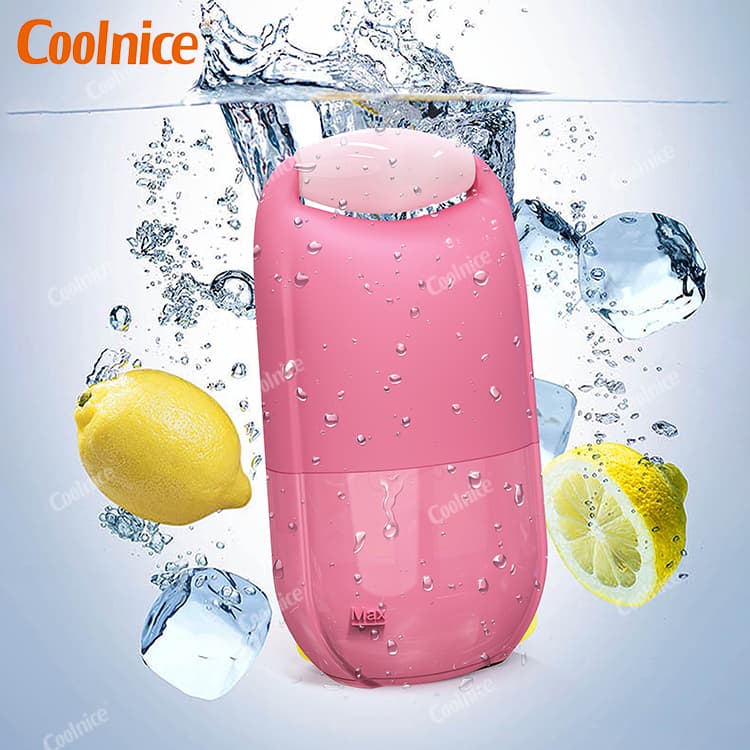
An ice roller is one of the easiest tools to explain. It can be stored chilled and used for a short facial massage. It works well for morning content, pre-makeup prep, and puffy-looking skin routines.
If you write a product page, use terms like cooling comfort, fresh-feeling skin, and morning depuff routine. Avoid medical claims.
Facial ice mold
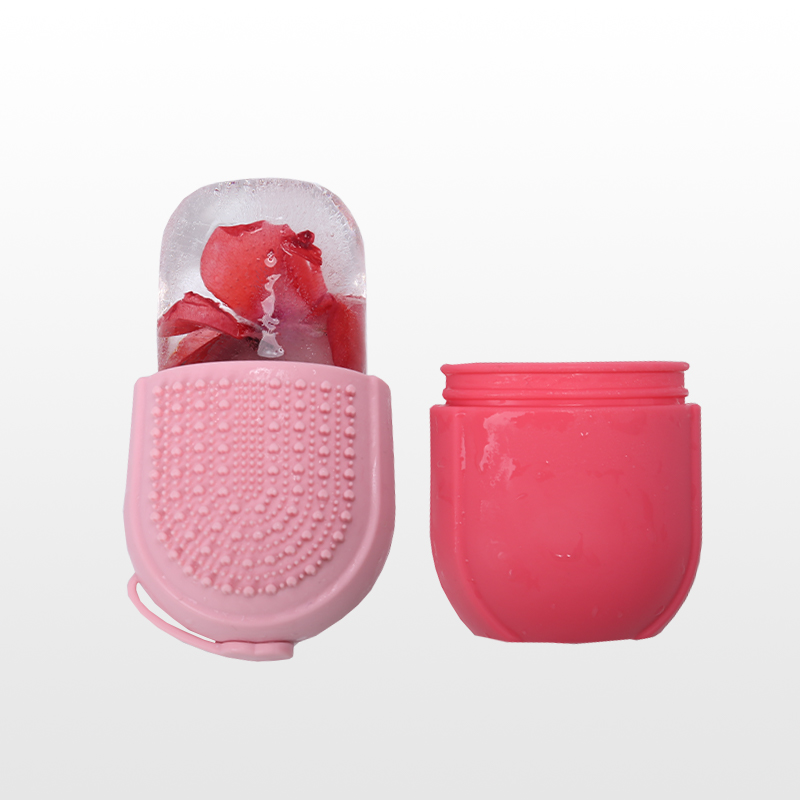
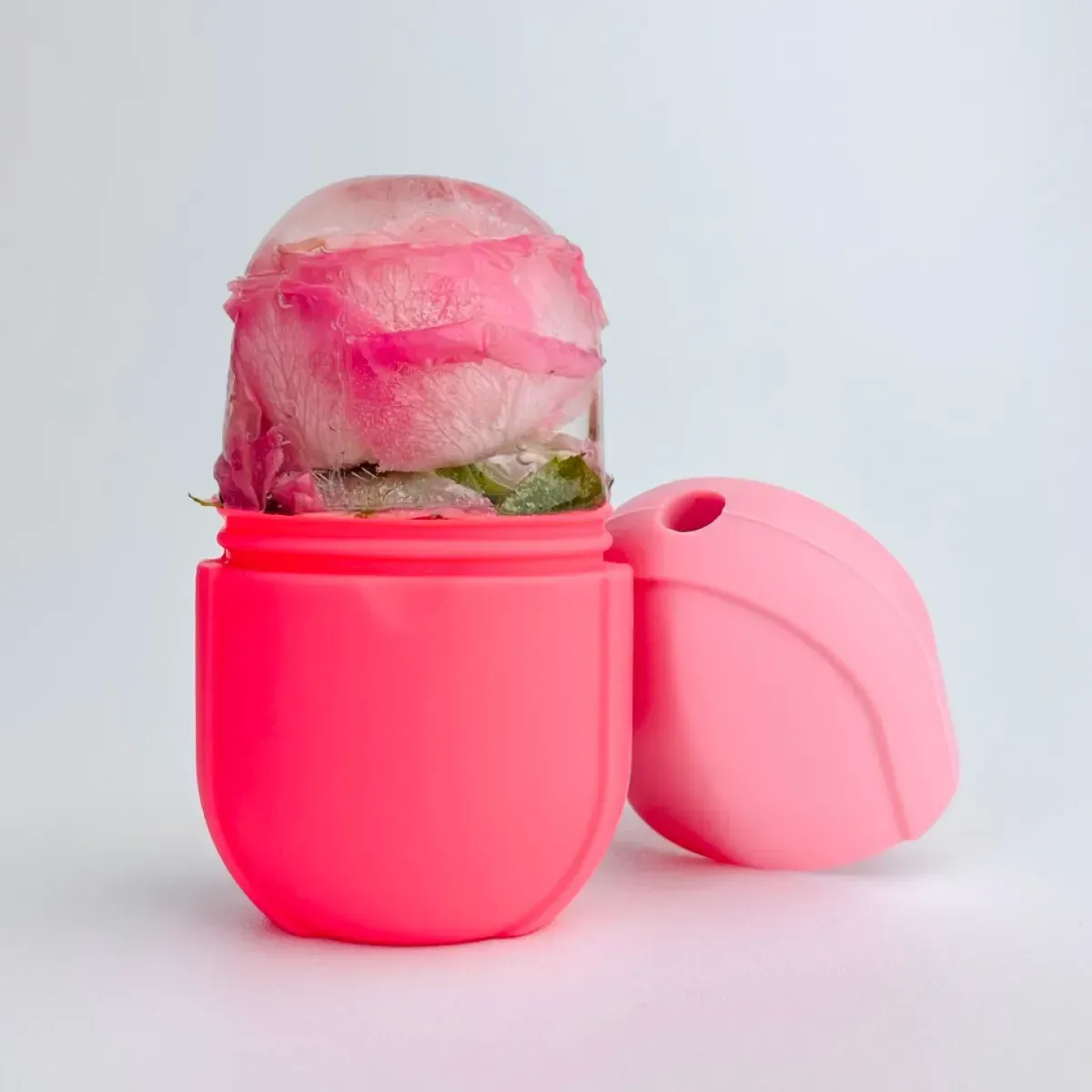
A facial ice mold connects strongly to skin icing. The user fills it, freezes it, and uses the frozen surface for a controlled cooling step.
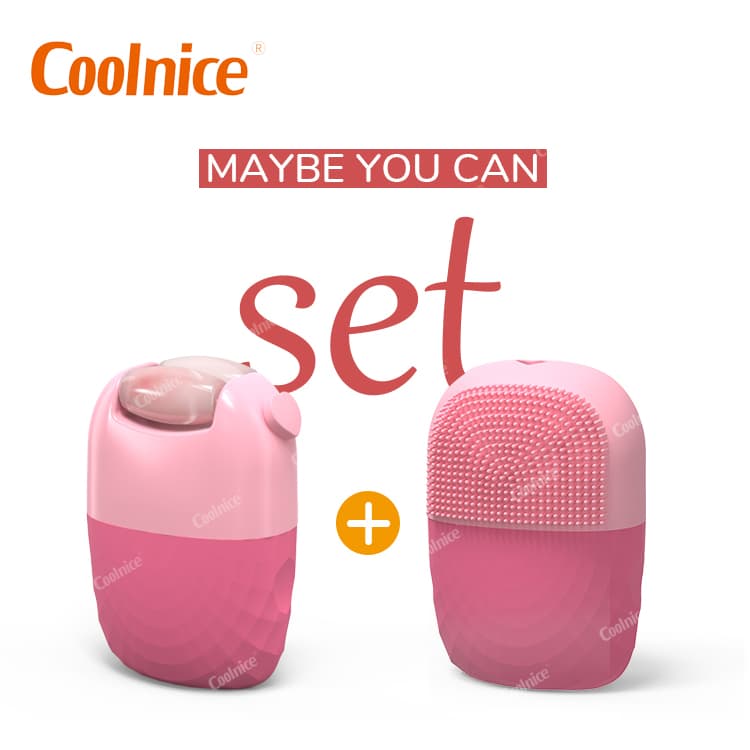
For B2B buyers, this product can be paired with an ice roller. The roller is familiar. The mold feels more like a reusable skin icing tool. Together, they create a small cold beauty set.
Eye cooling tools
The under-eye area needs gentle use. Small cooling tools or a careful ice roller routine can be positioned for puffy-looking under eyes.
Use clear instructions. Avoid hard pressure. Do not suggest use on irritated skin, infected eyes, or severe swelling.
Scalp and body tools
Cold beauty tools do not have to stop at the face. Some brands add scalp cooling brushes or portable cold massage tools to create a wider product line.
Keep the message cosmetic. For scalp tools, talk about shower massage, cooling feel, and hair care routine. Do not claim hair growth or headache treatment.
How Brands Can Turn Depuff Content into Product Sales
The phrase how to depuff face is an information search. It is not always a direct buying search. But it can lead to product discovery if the article is structured well.
For a brand, the article should educate first, then guide the reader to the right tool.
Use content to explain the routine
Customers may not know the difference between an ice roller, facial ice mold, and ice globes. Content can explain when each tool is useful.
A good article should not only say “buy this.” It should show the routine, the use case, and the limits.
Connect the article to product pages
A depuff article should link to related pages. Useful internal links include ice roller for puffy face, facial ice mold, skin icing guide, and best ice roller for face.
Use different anchor text. Do not repeat the same link phrase too many times.
Create B2B product sets
For Amazon sellers and beauty brands, the depuff topic can support product sets. Examples include:
- Morning depuff set: ice roller + facial ice mold
- Eye cooling set: mini roller + under-eye tool
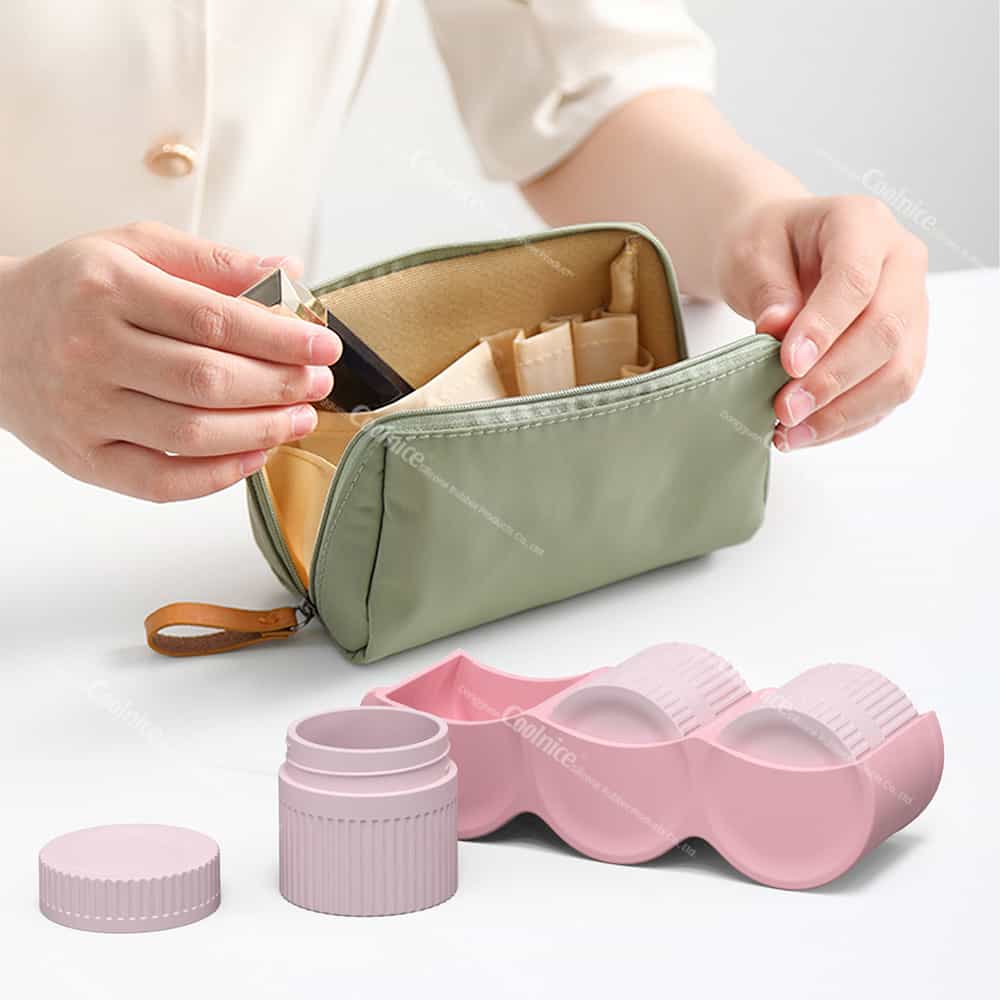
- Cold beauty starter set: facial ice mold + ice roller + pouch
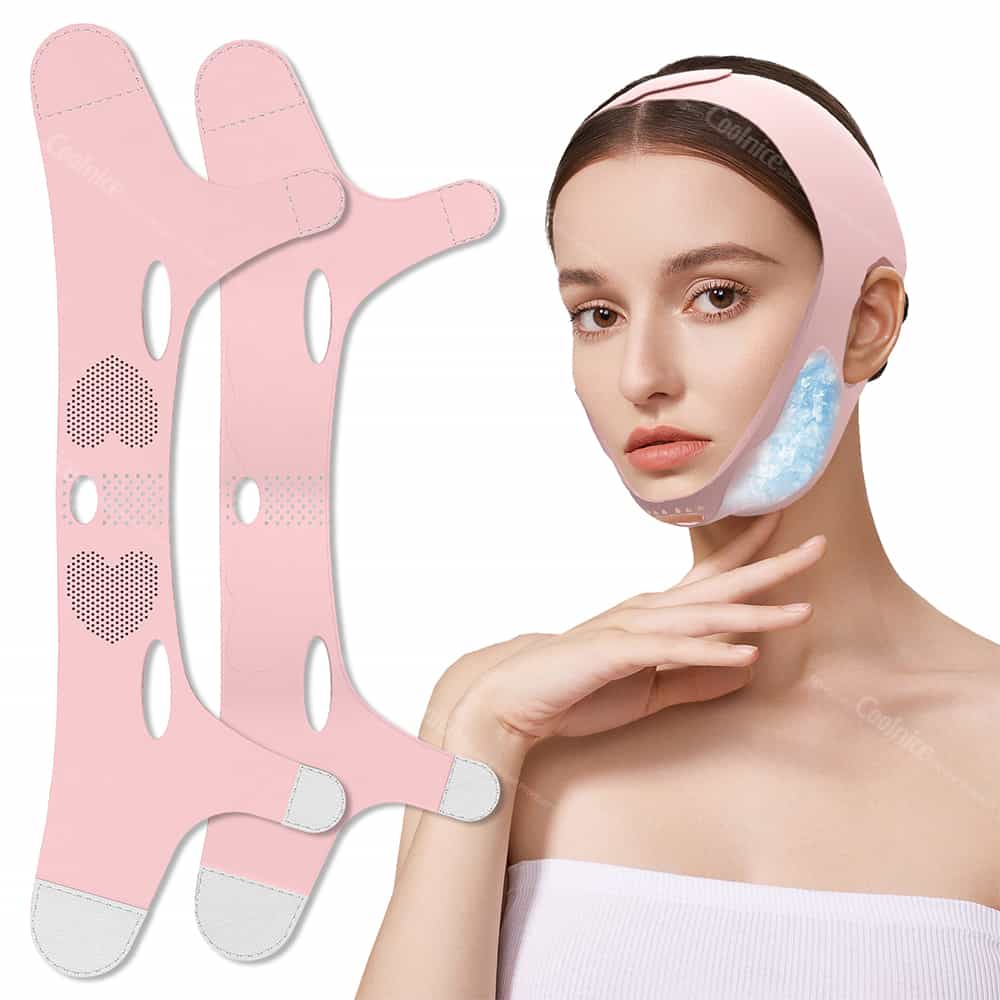
- Full cold skincare set: ice roller + facial ice mold + scalp cooling brush
These sets help buyers move from one product to a cold beauty tools collection.
Safety, Claims, and Supplier Notes for B2B Buyers
Cold beauty content can attract strong traffic, but it also needs careful wording. Puffiness, swelling, and redness can overlap with health concerns. B2B buyers should protect the brand with clear product language.
Use cosmetic claims
Safe phrases include:
- Cooling comfort
- Temporary cooling sensation
- Helps skin feel refreshed
- For puffy-looking skin
- Gentle cold massage
- Morning skincare routine
These phrases fit product pages, packaging, and insert cards.
Avoid medical claims
Avoid phrases like treat swelling, reduce inflammation, cure puffiness, treat allergies, or medical cold therapy.
If you sell cold beauty tools in different markets, check local cosmetic labeling rules. If claims or test documents are needed, confirm them before printing packaging.
Choose the right supplier
A good supplier should help with product options, custom color, logo, packaging, samples, and quality checks. They should also explain what is ready stock and what needs a higher MOQ.
For B2B buyers, the supplier should support more than one tool. This makes it easier to build a cold beauty tools line around depuff content.
How to Depuff Face Content Can Support Product Pages
For beauty brands, how to depuff face is not only a blog topic. It can become the entry point for product education, internal links, and private label product planning.
A reader may arrive because they want to know how to depuff face before work or makeup. If the article is useful, that reader can move to an ice roller page, a facial ice mold page, or a product comparison page.
Build a content path
A good content path can look like this:
- How to depuff face article
- Ice roller for puffy face article
- Best ice roller for face buying guide
- Facial ice mold product page
- Cold beauty tools OEM/ODM page
This path helps the reader move from a problem to a tool, then from a tool to a buying decision.
Use different pages for different intent
The phrase how to depuff face is mostly informational. The phrase ice roller for puffy face is closer to product intent. The phrase best ice roller for face is closer to buying intent.
Do not force one article to rank for every keyword. Let the how to depuff face article explain the routine. Let the product pages handle product details. Let comparison articles support final decisions.
Support B2B buyers with product logic
For B2B buyers, how to depuff face content can show why the product exists. It can also help sales teams explain product sets.
A brand can use the topic to build:
- A morning depuff set
- A skin icing set
- An eye cooling set
- A cold beauty starter set
- A spa or salon cooling set
This makes how to depuff face content useful for both SEO and product planning.
Final Notes on How to Depuff Face Safely
The safest answer to how to depuff face is a gentle one. Start with basic habits, use simple skincare, and add a short cooling step if the skin feels comfortable with it.
Do not use aggressive pressure. Do not keep a cold tool on one area too long. Do not use cold tools on broken, painful, or irritated skin.
If the question is how to get rid of puffy face after a normal morning, a short routine may be enough for cosmetic comfort. If the face is suddenly swollen, painful, or one-sided, the right answer is not a beauty tool. The safer answer is medical advice.
For brands, this is also the right way to write. Explain how to depuff face in a useful and honest way. Then guide readers to cold beauty tools that fit a cosmetic routine.
FAQ
How to depuff face quickly in the morning?
Start with gentle cleansing, use a short cooling step with an ice roller or facial ice mold, then apply simple skincare. Keep the routine gentle and avoid harsh pressure.
How to debloat face without strong products?
Hydration, sleep habits, less salt or alcohol, and a short cooling routine may help skin feel fresher. Cold beauty tools can support cosmetic cooling comfort, not medical treatment.
Can an ice roller help with puffy face in the morning?
An ice roller can provide a temporary cooling sensation and help skin feel refreshed. It should be positioned for puffy-looking skin, not as a treatment for medical swelling.
Is a facial ice mold good for skin icing?
Yes, a facial ice mold can be used for skin icing when used safely and briefly. Follow product instructions and avoid use on irritated, broken, or painful skin.
What cold beauty tools can brands sell for depuff routines?
Brands can sell ice rollers, facial ice molds, eye cooling tools, scalp cooling brushes, and cold beauty sets. OEM/ODM options can include custom color, logo, packaging, and ready-stock choices.
Want to turn how to depuff face content into a cold beauty tools product line? Share your target products, custom color, logo, packaging needs, and sales channel. We can help you compare ready-stock ice rollers, facial ice molds, and OEM/ODM cold beauty tool sets.