Short answer: Yes, silicone baking mats can be very good for cookies, especially when you want easy release, repeatable setup, and a reusable baking surface. But they do not behave exactly like parchment paper, and that difference shows up in spread, browning, and final texture.
That is why some bakers love them and some bakers switch back to parchment for certain recipes. The mat is not the problem. It is just a different baking surface with different strengths.
If you are comparing product positioning across a silicone mat factory, cookies are one of the clearest real-world cases for showing where silicone mats perform well and where recipe testing still matters.

Table of Contents
- Quick answer
- Why cookie results change on a silicone mat
- When silicone mats are good for cookies
- When parchment may still win
- Best cookie types for silicone mats
- Tips for better cookie results
- What brands should know
- FAQ
Quick answer
Silicone baking mats are often good for cookies when you want reliable release and repeated use. They may produce slightly different bottom browning and texture than parchment, so recipe testing still matters.
Why cookie results change on a silicone mat
Cookies respond to the baking surface. That is why the same dough can look a little different on parchment and on silicone.
- bottom browning may be lighter
- spread can change slightly depending on dough style
- release is usually easier for sticky doughs
- cleanup is easier after repeated baking
If you want the full side-by-side comparison, our article on silicone baking mat vs parchment paper goes deeper into browning, reuse, and cleanup differences.
When silicone mats are good for cookies
They are especially good when:
- you bake cookies often and want a reusable surface
- you are working with sticky doughs
- you want easier release and less tray mess
- you want more consistent setup from batch to batch
They are also a strong fit for bakers who want fewer disposable liners in the kitchen.
When parchment may still win
Parchment may still be the better choice when:
- you prefer more bottom browning
- you want one-time cleanup with no washing
- your recipe already performs best on parchment and you do not want to retest it
That is not a contradiction. It is just a reminder that baking-surface choice is part of recipe tuning.
If you are still learning setup basics, read how to use a silicone baking mat before blaming the mat for a problem caused by greasing, tray placement, or oven setup.
Best cookie types for silicone mats
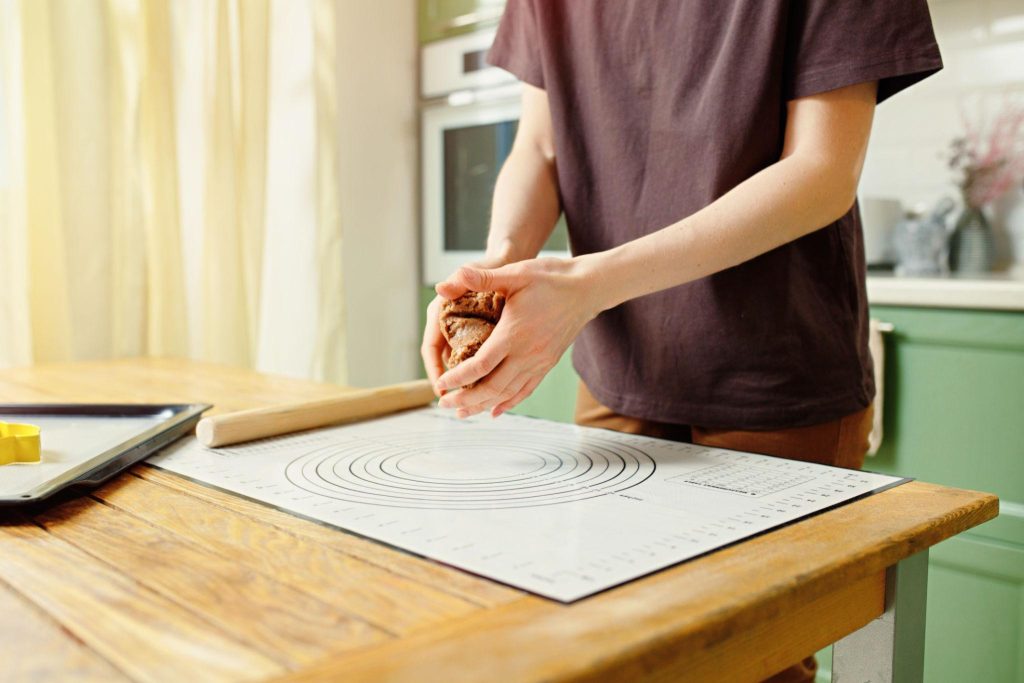
Silicone mats are usually a good fit for:
- drop cookies
- sticky or delicate cookie doughs
- piped cookies
- cookies baked in repeated batches where release speed matters
They can also work well for macarons and other precision baking jobs where a stable reusable surface helps the workflow.
Tips for better cookie results
- do not grease the mat unless the product instructions say otherwise
- preheat fully before baking
- keep the mat on a tray, not directly on a broiler or heat source
- test one favorite recipe side by side against parchment
- clean off grease residue well between batches
If cleanup is part of your hesitation, our article on how to clean silicone mats without grease buildup covers the care side directly.
What brands should know
For brands, cookies are one of the best product-story angles because the use case is simple and relatable. But that also means buyers notice quickly when the product feels wrong in real use.
Material stability and food-contact positioning still matter, especially for kitchenware lines. If your project depends on those claims, it helps to coordinate with an LFGB silicone manufacturer before product messaging is finalized.
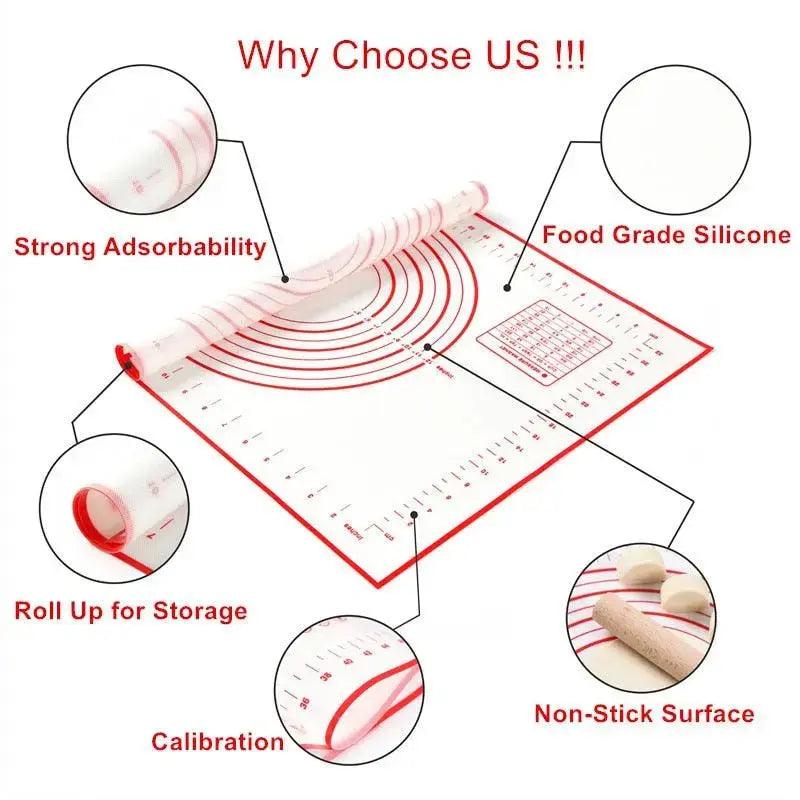
If you are sourcing silicone mats for resale or private label, a dependable custom silicone mat manufacturer should be able to align the mat’s thickness, surface feel, markings, and care guidance with the cookie-baking performance you actually want shoppers to experience.
For broader use-case framing beyond cookies, see what a silicone baking mat is used for across different baking jobs.
Silicone baking mats are good for cookies when you care about reuse, easy release, and repeatable setup. They are not magic, and some recipes will still prefer parchment.
FAQ
Are silicone baking mats good for cookies?
Yes, often. They work especially well when you want easy release, repeated use, and consistent tray setup.
Do cookies spread differently on silicone mats?
They can. The baking surface changes how dough behaves, so spread and browning may look slightly different from parchment.
Why are my cookies less brown on a silicone mat?
Many bakers notice lighter bottom browning on silicone than on parchment. That does not mean the mat is bad; it just behaves differently.
Should I grease a silicone mat for cookies?
Usually no. Greasing often creates extra residue and can interfere with the benefit of a non-stick surface.
What cookies work best on silicone mats?
Drop cookies, sticky doughs, piped cookies, and repeated-batch baking jobs are usually strong fits.
Related Silicone Mat Topics
- Silicone Baking Mat vs Parchment Paper
- How to Use a Silicone Baking Mat
- How to Clean Silicone Mats
- What Is a Silicone Baking Mat Used For?