Puffy Face in the Morning: Causes, Routine and Cooling Tools
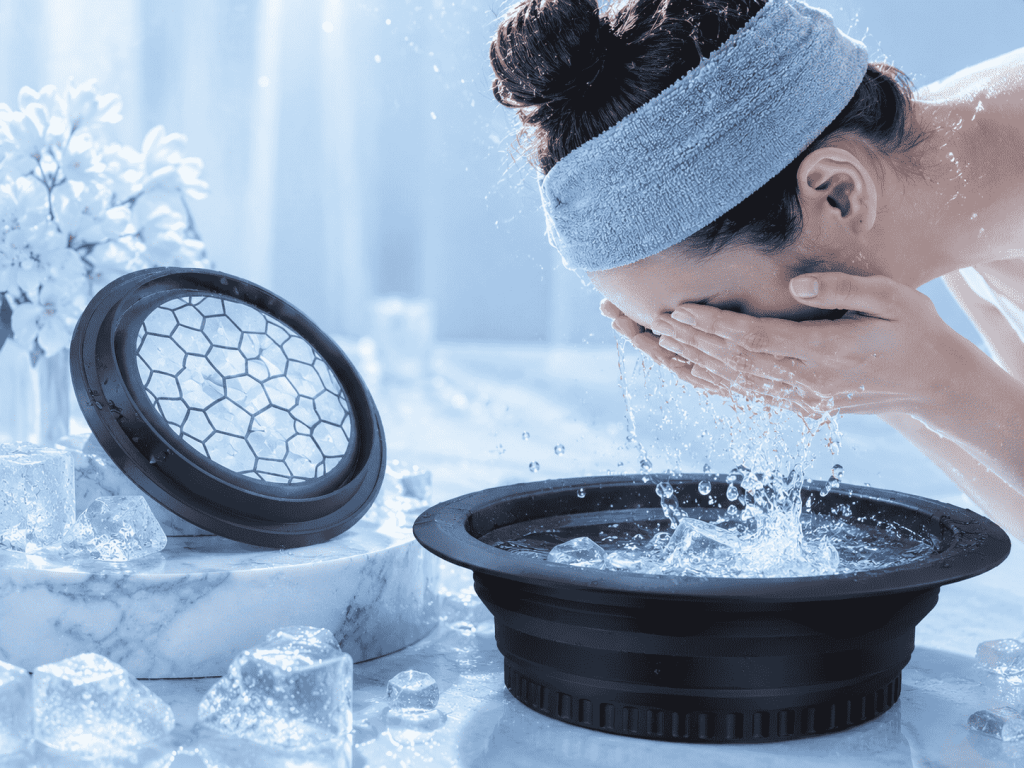
Puffy face in the morning is a common skincare concern. Many people wake up, look in the mirror, and feel their face looks fuller than usual. They want a simple way to feel fresher before work, makeup, photos, or video calls.
This guide explains why puffy face in the morning can happen, how to build a gentle morning depuff routine, and how cold therapy beauty tools can fit into cosmetic skincare content without making medical claims.
Cold tools can support a cooling routine, but they are not medical treatments. If swelling is sudden, painful, one-sided, or linked to an allergic reaction, the right step is medical advice, not a beauty tool.
Why Puffy Face in the Morning Happens
Puffy face in the morning can have many simple causes. Sleep position, salty food, alcohol, dehydration, skincare irritation, and normal fluid movement during sleep can all change how the face looks after waking.
Searches like facial puffiness in the morning, puffy cheeks in the morning, and why do I wake up puffy often come from the same need. The reader wants to know what is normal and what they can do safely.
Sleep position
When the body lies flat for hours, fluid can shift and collect around the face. This can make the face or under-eye area look fuller in the morning.
For many people, the look improves after they move around, drink water, and start the day. A gentle cooling step can also help the skin feel more awake.
Food and alcohol
Salty meals and alcohol can make some people feel more bloated the next morning. This does not mean a beauty tool can fix the cause. It means a skincare routine should be paired with basic habits.
For content, this is a useful place to explain hydration, sleep, and a short cooling routine without promising a cure.
Skin sensitivity
Some skincare products can make the face feel warm, tight, or irritated. If the skin feels irritated, do not use a very cold tool directly on it.
Cold therapy skincare content should always include a safety note. Gentle use matters more than dramatic before-and-after claims.
A Gentle Morning Depuff Routine
A morning depuff routine should be simple. The more steps it has, the less likely customers are to repeat it. Keep the routine clear, short, and gentle.
Step 1: Cleanse lightly
Start with clean skin. Use a gentle cleanser and avoid rough scrubbing. Pat the face dry with a clean towel.
This prepares the skin for the next step and keeps the routine easy to explain on product pages.
Step 2: Add a short cooling step
An ice roller for puffy face or a facial ice mold can fit here. Use light pressure, slow movements, and short contact. The tool should feel cool, not painful.
If the skin feels numb, irritated, or too cold, stop. The goal is cooling comfort and a fresh feel.

Step 3: Apply simple skincare
After the cooling step, apply a light moisturizer or serum. Avoid too many strong products if the skin already feels sensitive.
For brands, this step can connect puffy face in the morning content to a clear skincare routine.
Best Cold Beauty Tools for Morning Puffiness Content
Cold therapy beauty tools can turn a puffy face article into a product education path. The key is to match each tool with a clear use case.
Ice roller
An ice roller for face is easy to understand. It can be positioned for morning skincare, pre-makeup prep, and puffy-looking skin.
For B2B buyers, the ice roller is often the easiest hero product because it is simple to photograph, pack, and explain.
Facial ice mold
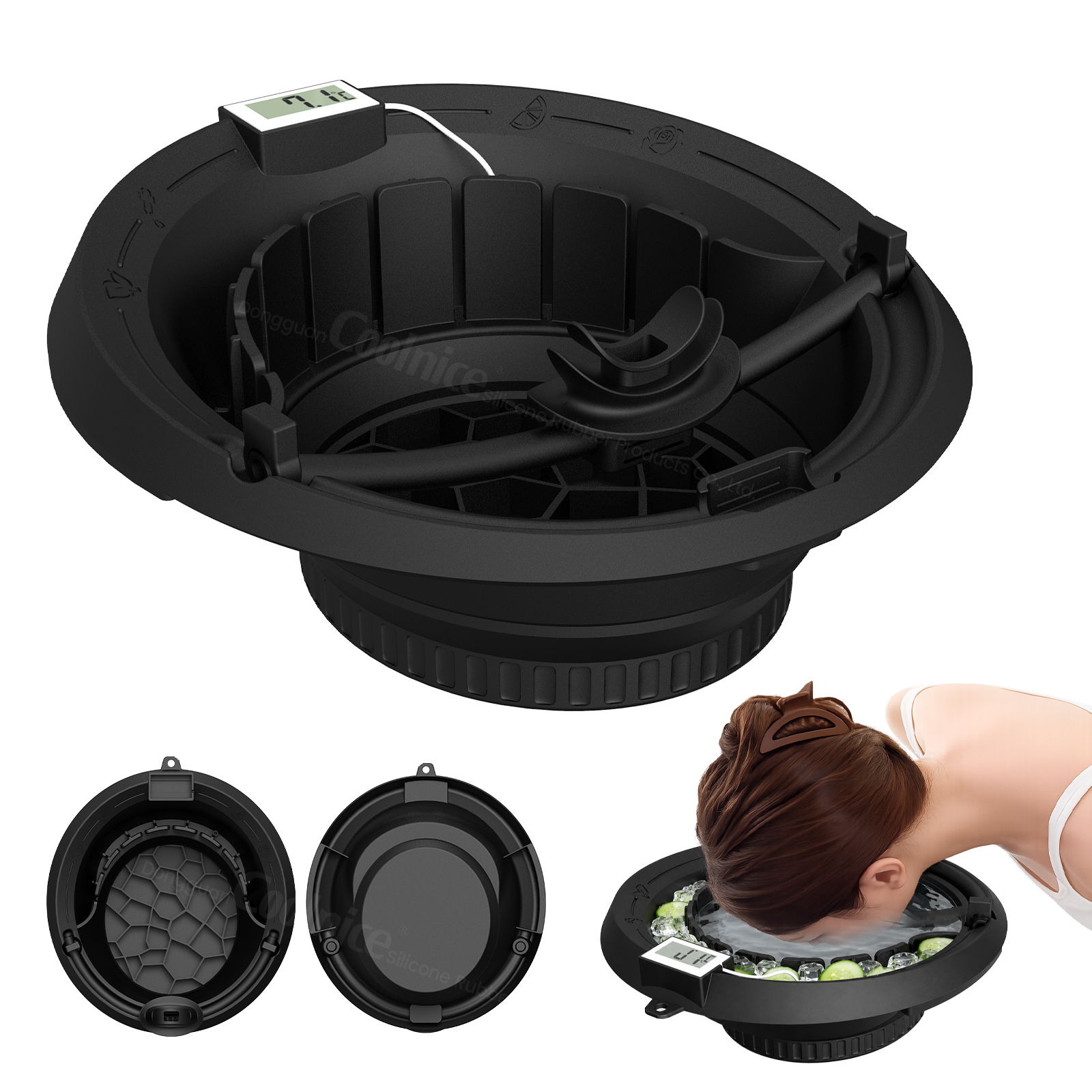
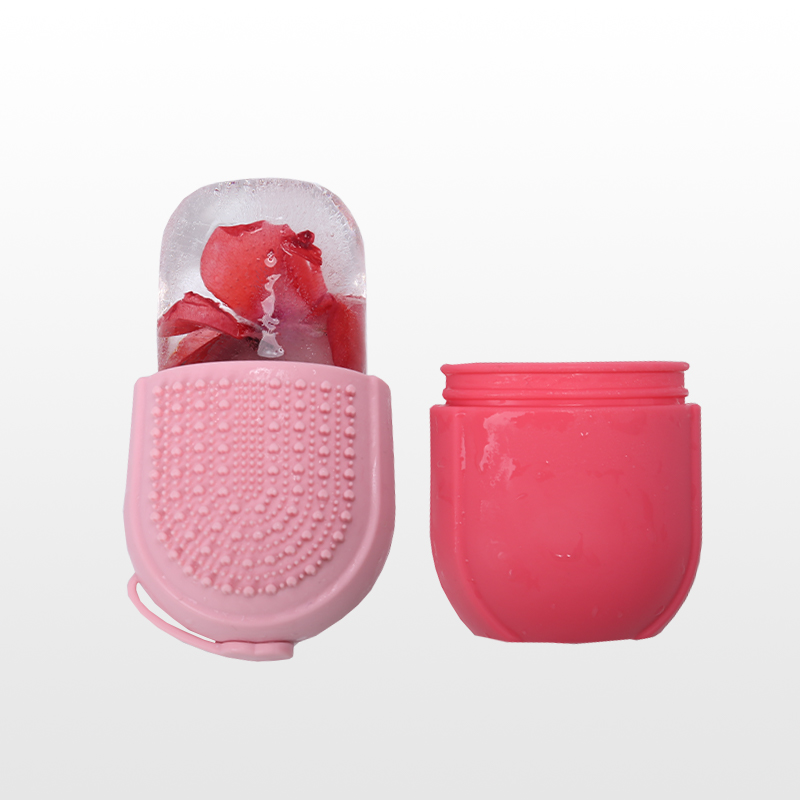
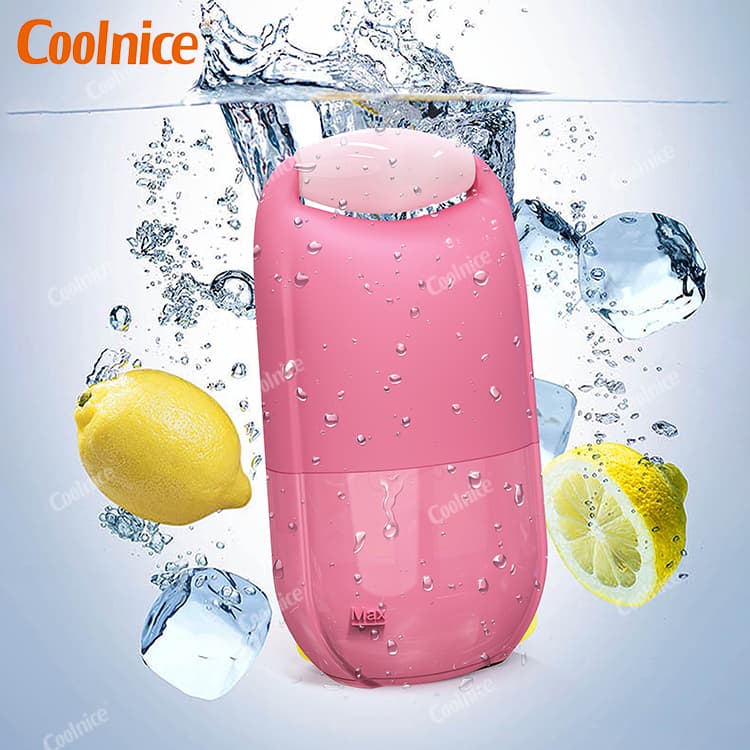
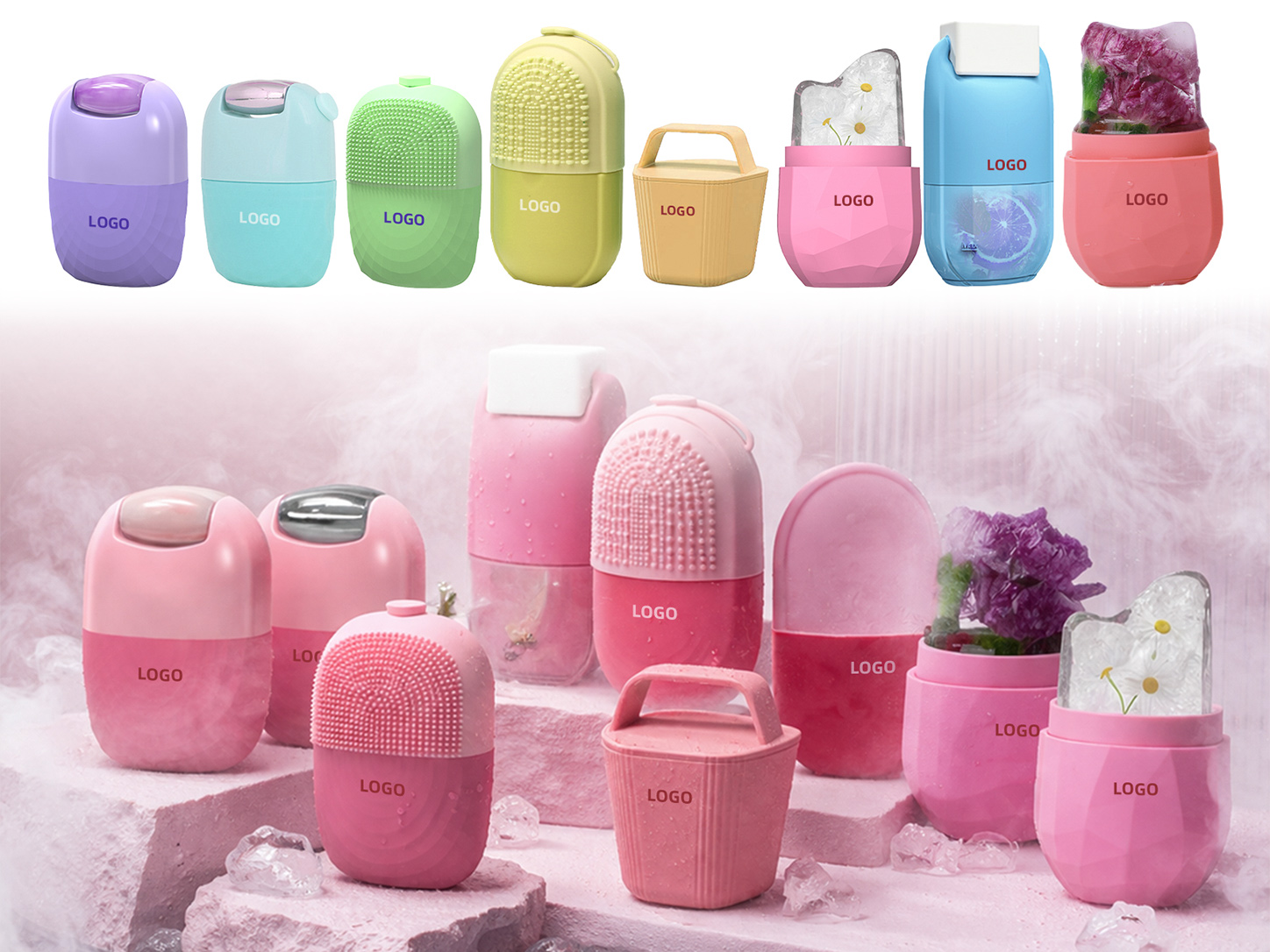
A facial ice mold supports skin icing and reusable cold skincare routines. It can be paired with an ice roller in a starter cold beauty set.
It also gives brands another product type under the same cold therapy beauty tools topic.
Eye cooling tools
Some users are more concerned about under-eye puffiness than the full face. Small eye cooling tools or a careful eye-area routine can support this content angle.
Use extra care with eye-area copy. Avoid pressure, harsh claims, and medical language.
How Brands Can Use This Topic for SEO and Product Pages
Puffy face in the morning is mostly an informational keyword. It may not convert at once. But it can introduce readers to a how to depuff face guide, ice roller product pages, and cold therapy beauty tools collections.
Create a content path
A strong internal path can look like this:
- Puffy face in the morning article
- How to depuff face guide
- Ice roller for puffy face article
- Ice roller for face product page
- Cold therapy beauty tools hub
- OEM/ODM inquiry page
This path helps the reader move from a problem to a tool, then to a product or sourcing page.
Use topic hub anchors
Use natural anchors such as cold therapy beauty tools, cooling facial tools, cold therapy skincare, ice beauty tools, and reusable ice therapy tools.
These anchors help the site build a broader topic, not just one article around puffiness.
Build B2B product sets
A brand can turn this topic into product sets. Examples include a morning depuff set, skin icing set, eye cooling set, or full cold beauty set.
This is useful for Amazon sellers, private label buyers, and spa product buyers.
Safety and Claim Guidelines
Because puffiness and swelling can overlap with health topics, wording matters. Keep the content cosmetic and honest.
Use safe phrases
Use phrases like puffy-looking skin, cooling comfort, fresh-feeling skin, gentle cold massage, and morning depuff routine.
Avoid medical phrases
Avoid phrases like cure swelling, reduce inflammation, treat allergies, medical cold therapy, or post-surgery recovery.
Add a risk note
If swelling is sudden, painful, one-sided, or linked to breathing issues or allergy signs, advise readers to seek medical help. Beauty tools are not made for those cases.
Final Notes for B2B Buyers
Puffy face in the morning can be a strong content topic because it connects a real user concern to simple product routines. But the product offer must be clear.
For B2B buyers, start with tools that are easy to understand. An ice roller and facial ice mold can support the first set. Then add eye tools, cooling massage tools, or a scalp cooling brush as the line grows.
When this content links back to a cold therapy beauty tools hub, it helps the whole site build authority around cold skincare tools, not only one article.
How to Turn Morning Puffiness Content into Product Demand
For brands, puffy face in the morning content should not stop at explaining causes. It should guide the reader to a useful routine and then to the right product type.
This is where SEO and product planning work together. A reader may start with a question, but the page can introduce cold therapy skincare tools in a natural way.
Use routine-based product blocks
Instead of placing a hard sales banner, use a routine block. For example, show a morning routine with cleansing, cooling, light skincare, and makeup prep.
Inside that block, mention an ice roller for puffy face, a facial ice mold, and small eye cooling tools. This helps the reader understand when each tool fits.
Use B2B product set ideas
If the article is on a manufacturer site, add a B2B section near the end. Explain that the topic can support cold beauty sets for Amazon sellers, spa buyers, and skincare brands.
Example sets include:
- Morning depuff set: ice roller plus facial ice mold
- Eye cooling set: mini roller plus under-eye cooling tool
- Skin icing set: facial ice mold plus storage pouch
- Cold beauty starter set: ice roller, mold, and custom packaging
Use safe internal links
Link to the how to depuff face guide for the full routine. Link to the ice roller for puffy face article for product intent. Link to the cold therapy beauty tools hub for the category. Link to the OEM/ODM cold beauty tools page for sourcing buyers.
This path keeps the article useful and helps the site build topic authority.
Publishing Checklist for This Topic
Before publishing a puffy face article, check that it balances search intent, safety, and product relevance.
- Does the first section answer why puffy face in the morning happens?
- Does the article explain a gentle morning depuff routine?
- Does it include a medical safety note?
- Does it avoid claiming to treat swelling or inflammation?
- Does it link to cold therapy beauty tools and related product pages?
- Does it give B2B buyers product set ideas?
This checklist helps the article rank for informational intent while still supporting product and inquiry pages.
Manufacturer Notes for Product Teams
If you are a product manager or sourcing buyer, use this topic as a bridge between user pain points and product planning. Puffy face in the morning is not only a blog keyword. It shows a real routine that customers already understand.
A manufacturer can support this topic with ready-stock ice rollers, silicone facial ice molds, small eye cooling tools, and custom packaging. The key is to keep the product family consistent.
For a B2B page, add clear options: custom color, custom logo, retail box, insert card, low MOQ testing, and mixed cold beauty sets. Then link the article to the cold therapy beauty tools hub and OEM/ODM inquiry page.
This lets the same topic support SEO, product education, and sourcing conversations.
It also gives sales teams a simple way to explain why morning-focused cold therapy beauty tools belong in a skincare product line.
For buyers, that makes the article more than content. It becomes a soft product brief.
FAQ
Why do I have a puffy face in the morning?
Puffy face in the morning can be linked to sleep position, salty food, alcohol, dehydration, or skin sensitivity. Sudden, painful, or one-sided swelling needs medical attention.
How can I build a morning depuff routine?
Cleanse gently, use a short cooling step with light pressure, then apply simple skincare. Keep the routine short and stop if the skin feels irritated.
Can an ice roller help with facial puffiness in the morning?
An ice roller can give a temporary cooling sensation and help skin feel refreshed. It should be positioned for puffy-looking skin, not as a medical treatment.
What cold therapy beauty tools fit this routine?
Ice rollers, facial ice molds, and small eye cooling tools can fit a morning cooling routine. Brands can also build these into starter product sets.
Can I use cold tools on puffy cheeks in the morning?
Use gentle pressure and short contact only. Do not use cold tools on painful, irritated, broken, or suddenly swollen skin.
Want to build cold therapy beauty tools around morning puffiness content? Share your target products, color, logo, packaging, quantity, and sales channel. We can help you compare ice rollers, facial ice molds, and OEM/ODM cold beauty tool sets.