
Why Is My Face Puffy? Causes, Cooling Routine and Tool Guide
If you are asking why is my face puffy, the answer may be simple or it may need care. Many people notice puffy-looking skin after sleep, salty food, alcohol, or a long day. Sudden or painful swelling is different and should not be treated as a cosmetic concern.
This guide explains common reasons a face can look puffy, when to be cautious, and how a gentle cooling routine can help skin feel refreshed. It also shows how brands can connect this topic to cold therapy beauty tools without making medical claims.
Cold skincare tools can provide cooling comfort. They are not medical treatments. If swelling is sudden, painful, one-sided, or linked to allergy symptoms, seek medical advice.
Why Is My Face Puffy? Common Cosmetic Causes
The phrase why is my face puffy often comes from a normal skincare concern. The face may look fuller than usual, especially around the cheeks or eyes.
Some causes are linked to daily habits. Other symptoms may need medical attention. The key is to know the difference and avoid using beauty tools as treatments for serious conditions.
Sleep position
Sleeping flat can make fluid collect around the face. This can make the face look puffy after waking. It often improves after movement and hydration.
This is why puffy face in the morning is a useful related topic for skincare content.
Salt, alcohol, and hydration
Many people ask: does salt make your face puffy? For some people, salty food can make the face look fuller the next morning. Alcohol and low water intake can also affect how the skin feels.
A beauty tool cannot replace healthy habits. It can only support a short cosmetic cooling routine.
Skin sensitivity
Some skincare products can make the face feel warm, tight, or irritated. If your skin feels uncomfortable, avoid very cold tools and harsh rubbing.
When creating cold skincare content, keep the advice gentle. Product education should support safe use, not dramatic before-and-after claims.
When Puffy-Looking Skin Needs Caution
Not every puffy face is a cosmetic issue. Some signs should not be handled with skincare advice alone.
Seek medical advice when needed
Readers should seek medical advice if swelling is sudden, painful, one-sided, severe, or linked to breathing trouble, rash, infection signs, or an allergic reaction.
For more information about allergy warning signs, review the Mayo Clinic allergy overview.
Avoid medical positioning
Cold skincare tools should not be described as treatments for allergies, inflammation, edema, disease, or injury.
For product pages, avoid phrases such as cure swelling, reduce inflammation, treat edema, and medical cold therapy.
Use cosmetic language
Safer phrases include cooling comfort, fresh-feeling skin, temporary cooling sensation, puffy-looking skin, and gentle cold massage.
How to Build a Gentle Cooling Routine
If puffiness is a normal cosmetic concern, a simple routine can help skin feel refreshed. For more detailed steps, see our how to depuff face guide.
Step 1: Cleanse gently
Start with a mild cleanser. Avoid harsh scrubbing, especially if the skin feels sensitive or warm. Pat the face dry with a clean towel.
Step 2: Add a short cooling step
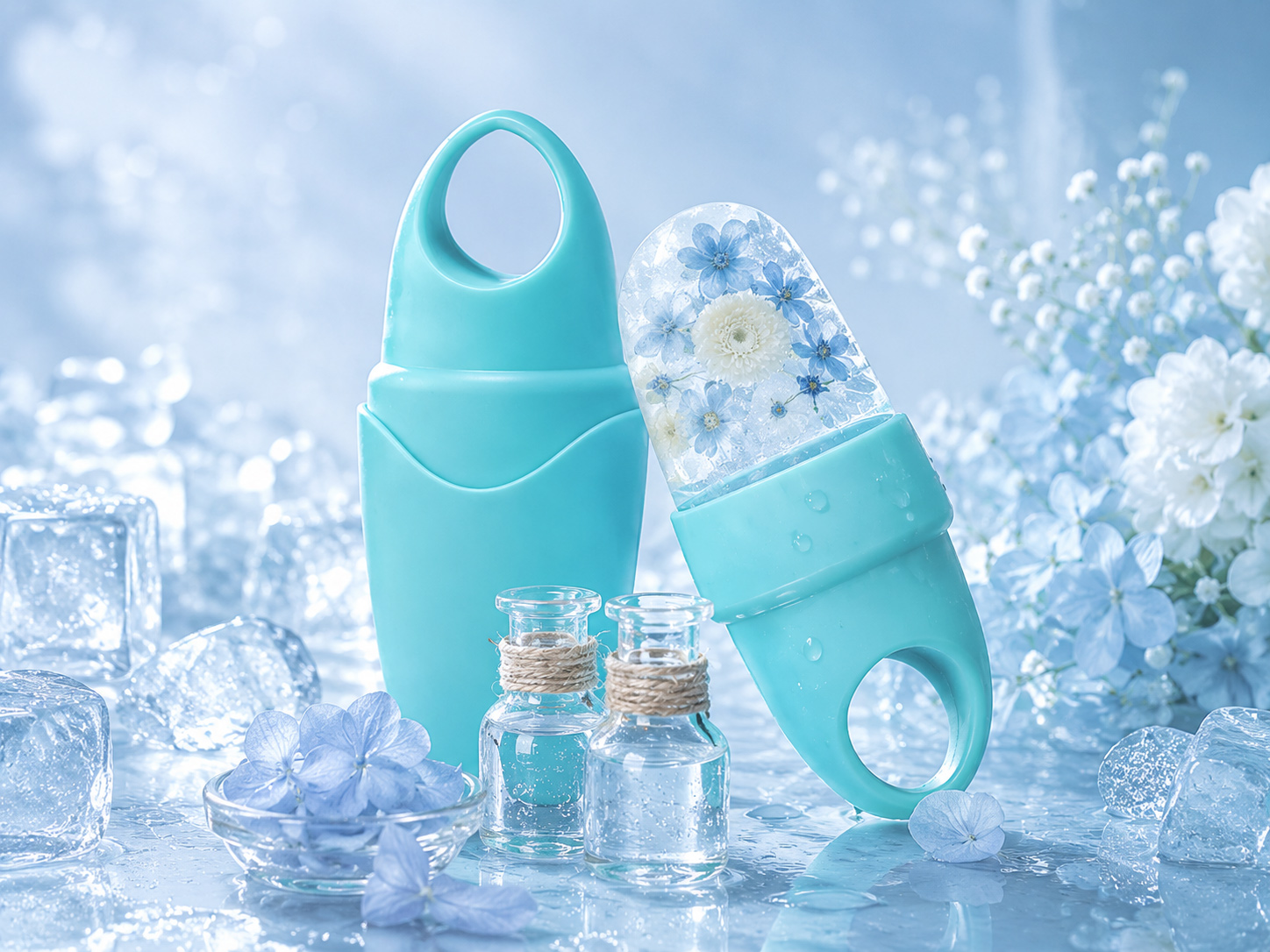
An ice roller for puffy face or a facial ice mold can provide a temporary cooling sensation. Use light pressure and short contact.
Do not keep a cold tool on one area for too long. Stop if the skin feels numb, painful, or irritated.
Step 3: Finish with simple skincare
Apply a light moisturizer or serum after the cooling step. Keep the routine simple so it is easy to repeat and easy for customers to understand.
Cold Beauty Tools That Fit This Routine
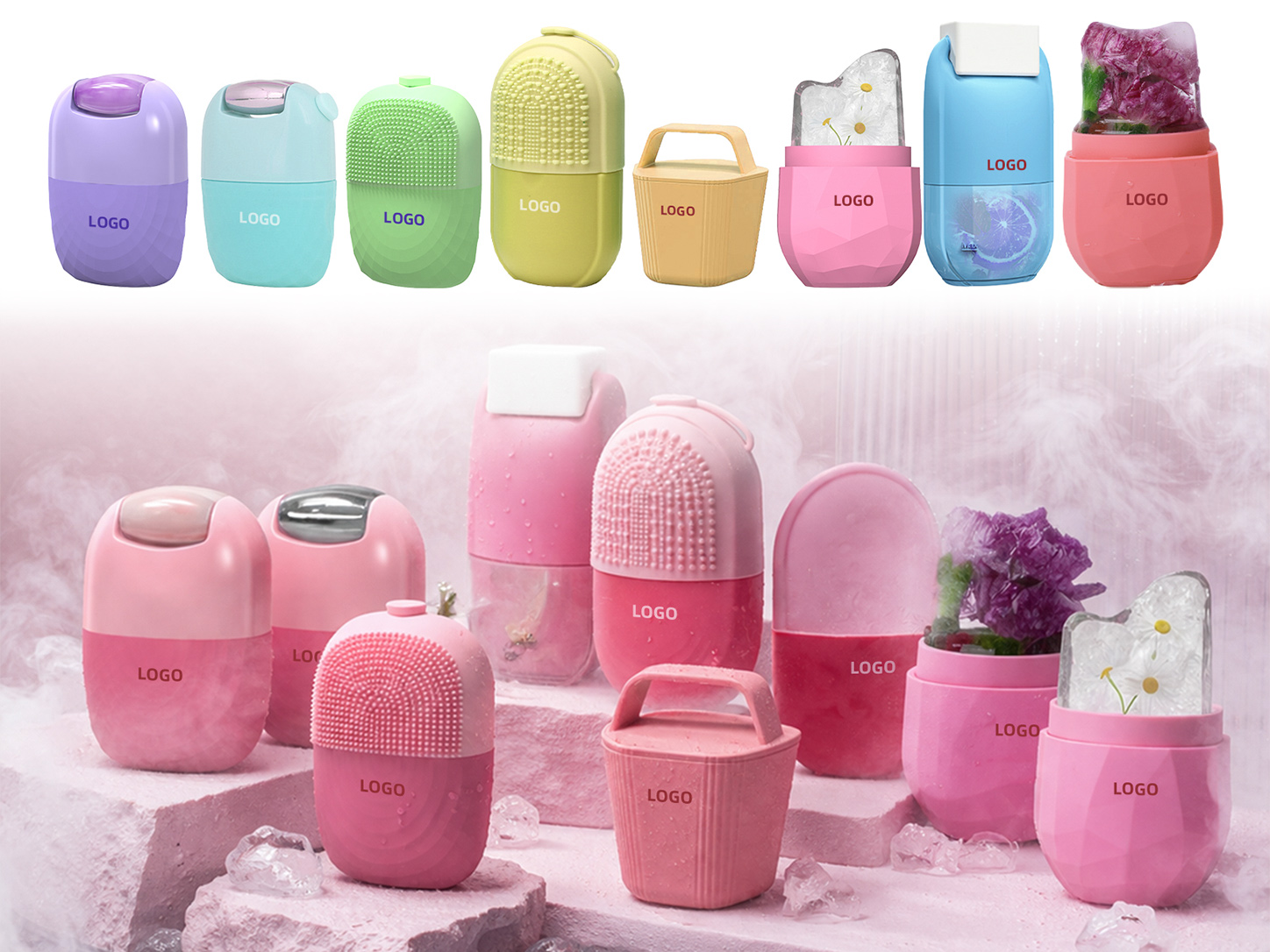
Cold therapy beauty tools can connect cause-based content to product education. The reader starts with a question, then learns about safe cosmetic options.
Ice roller for face
An ice roller for face is easy to explain. It can fit morning routines, puffy-looking skin content, and pre-makeup skincare.
For B2B buyers, it is often a practical hero product because it is compact, easy to photograph, and suitable for starter sets.
Facial ice mold
A facial ice mold connects naturally to skin icing and reusable cold skincare routines. It can be paired with an ice roller in a branded set.
For private label projects, buyers can discuss custom colors, logo placement, packaging, and set combinations.
Eye cooling tools
Some customers are more concerned about the under-eye area than the full face. Small eye cooling tools can support this content angle when used gently.
Cooling facial tools
Cooling facial tools may also include ice globes and cold massage tools. Each product should have a clear role. Avoid grouping every item under the same claim.
How Brands Should Use This Keyword
Why is my face puffy is mainly an informational keyword. It should not become a hard product sales page. Its job is to answer the reader’s question and guide them toward a safe next step.
Build a clear content path
- Why is my face puffy article
- Puffy face in the morning article
- How to depuff face guide
- Ice roller for puffy face article
- Cold therapy beauty tools hub
- OEM/ODM sourcing page
This path helps readers move from cause research to a gentle routine, then to product education and sourcing information.
Keep each article distinct
Each page in the topic cluster should have a different job:
- This article explains common reasons a face may look puffy.
- The morning puffiness article focuses on waking up with puffy-looking skin.
- The depuff guide explains a practical routine.
- The ice roller article supports product research.
- The cold therapy beauty tools hub connects the full product category.
This structure reduces keyword overlap and helps search engines understand the purpose of each page.
B2B Notes for Product and Marketing Teams
For product teams, why is my face puffy is more than a blog keyword. It reveals a routine customers already understand. That makes it useful for product positioning and content planning.
A manufacturer can support this topic with ready-stock ice rollers, silicone facial ice molds, eye cooling tools, and custom packaging. Product pages should explain use scenes as clearly as product features.
For sourcing buyers, useful options may include custom color, custom logo, retail boxes, insert cards, mixed cold beauty sets, and low MOQ testing where available.
Brands planning a wider collection can review the custom silicone cold therapy tools page for OEM/ODM support.
Publishing Checklist
- Use why is my face puffy naturally in the title, introduction, H2, and conclusion.
- Explain common lifestyle causes without attempting to diagnose readers.
- Include a clear medical safety note.
- Use cosmetic language for cold beauty tools.
- Link to routine guides and relevant product pages.
- Avoid treatment claims for swelling, allergies, inflammation, or edema.
Final Notes: Why Is My Face Puffy?
If you are asking why is my face puffy after a normal morning, start with simple habits and a gentle routine. Drink water, cleanse lightly, and use cooling tools carefully if your skin tolerates them.
If puffiness is sudden, painful, one-sided, or linked to allergy symptoms, seek medical advice.
For brands, this topic works best as an educational entry point. It can guide readers toward a depuff routine, an ice roller for puffy face, and a broader cold therapy beauty tools collection without turning a cosmetic product into a medical promise.
FAQ
Why is my face so puffy in the morning?
Your face may look puffy in the morning because of sleep position, salty food, alcohol, dehydration, or normal fluid movement during sleep. Sudden or painful swelling needs medical attention.
Does salt make your face puffy?
Salt can make some people look or feel more bloated the next morning. Hydration and a gentle skincare routine may help skin feel fresher.
Can an ice roller treat water retention in the face?
No. An ice roller should not be positioned as a treatment for water retention. It can provide a temporary cooling sensation for puffy-looking skin.
What cold skincare tools can I use?
Common options include ice rollers, facial ice molds, eye cooling tools, and other cooling facial tools. Use them gently and follow the product instructions.
How should brands use puffy face content?
Brands should use puffy face content to educate readers, include safety notes, and link naturally to cold therapy beauty tools, product pages, and OEM/ODM sourcing pages.
Building a cold skincare tools line around puffy-looking skin content? Share your product type, target color, logo, packaging, quantity, and sales channel. We can help you compare ice rollers, facial ice molds, cooling facial tools, and OEM/ODM cold beauty product sets.